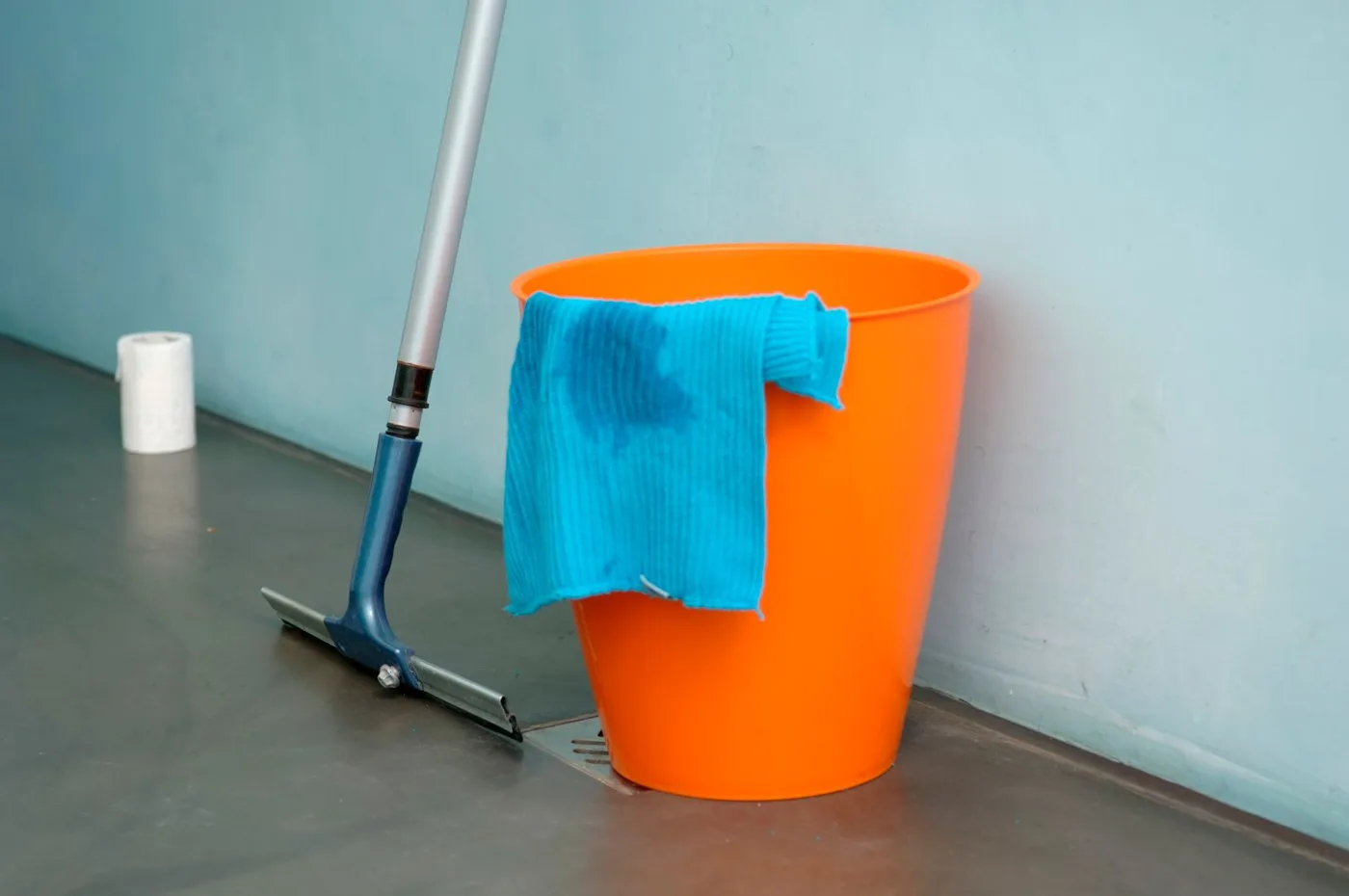
Mopping a Floor Without Leaving It Too Wet
A floor that remains shiny-wet long after mopping has probably received more water than the task required. The right amount depends on the material and installation, not the size of the bucket.
Cleaning methods, surface care and routines for the rooms you use every day.

A floor that remains shiny-wet long after mopping has probably received more water than the task required. The right amount depends on the material and installation, not the size of the bucket.

A sealed wood floor still needs protection from grit and excess moisture. The finish changes which cleaner is appropriate, but it does not turn the boards into an outdoor deck.

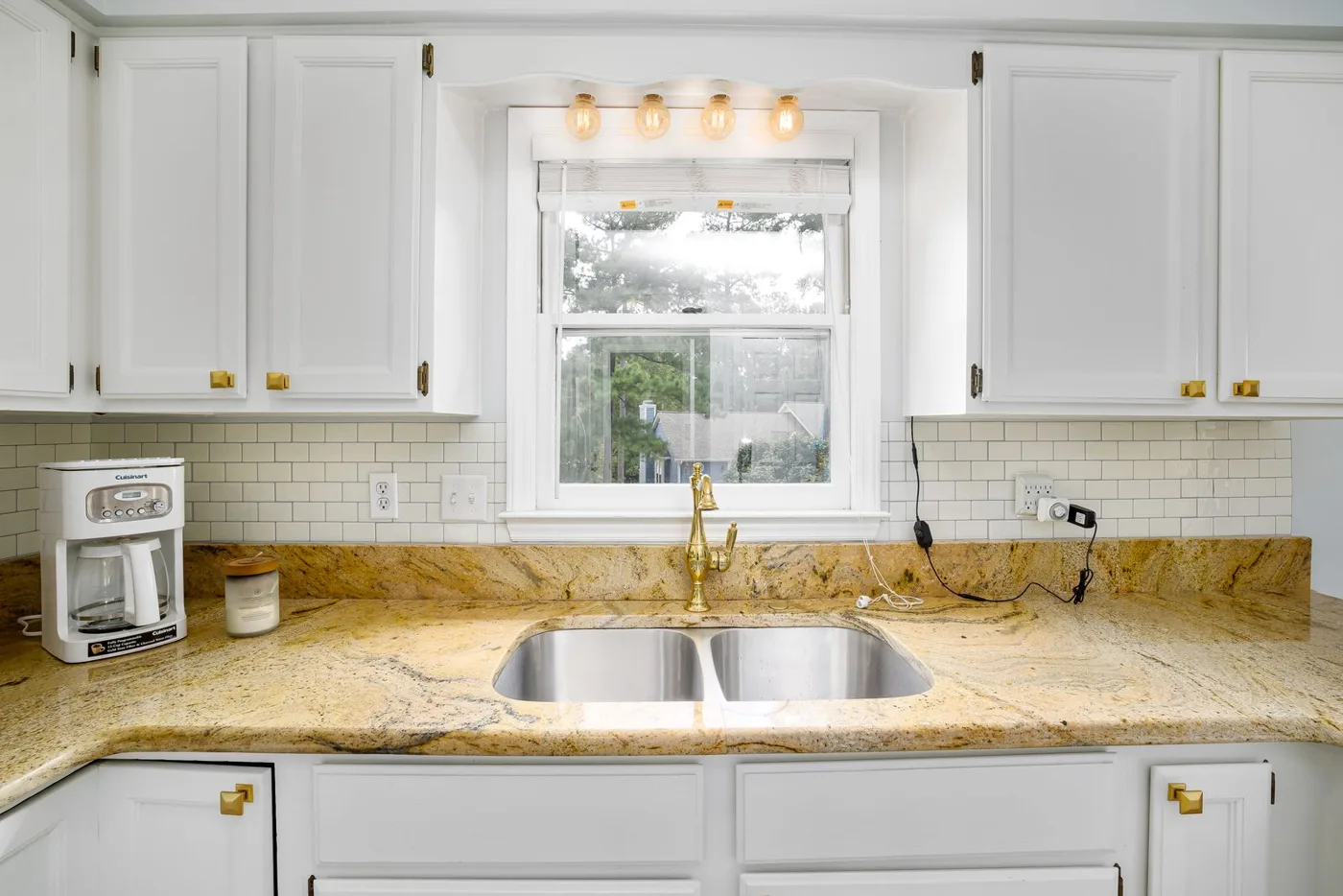
Natural stone counters can show both stains and changes to their surface. Those are different problems: a mark may sit within the material, while an etched patch changes the finish itself.

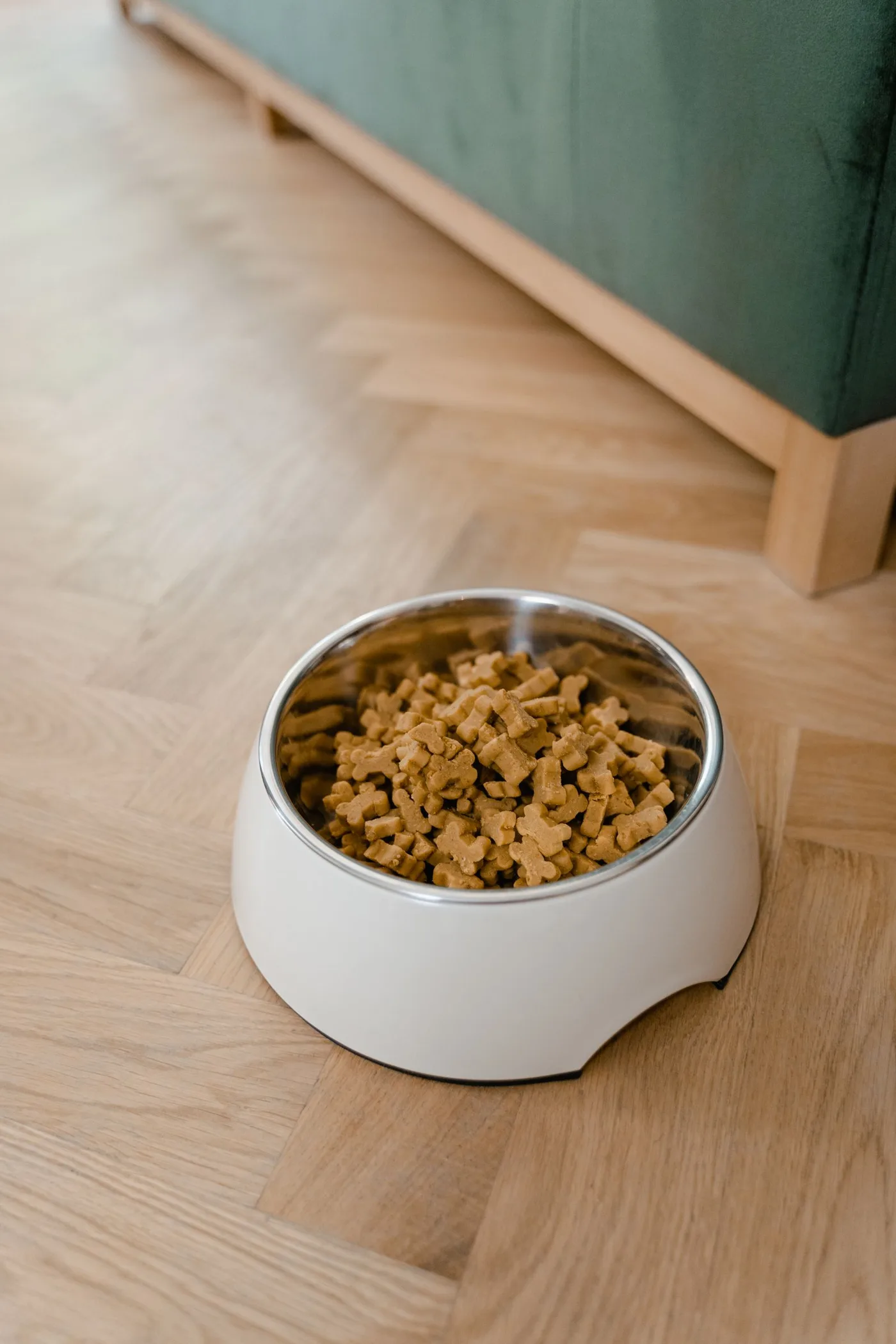
A pet feeding corner collects food residue, splashes and dust in a small area. Strong fragrance can make it seem freshly cleaned without removing what is underneath the bowl.

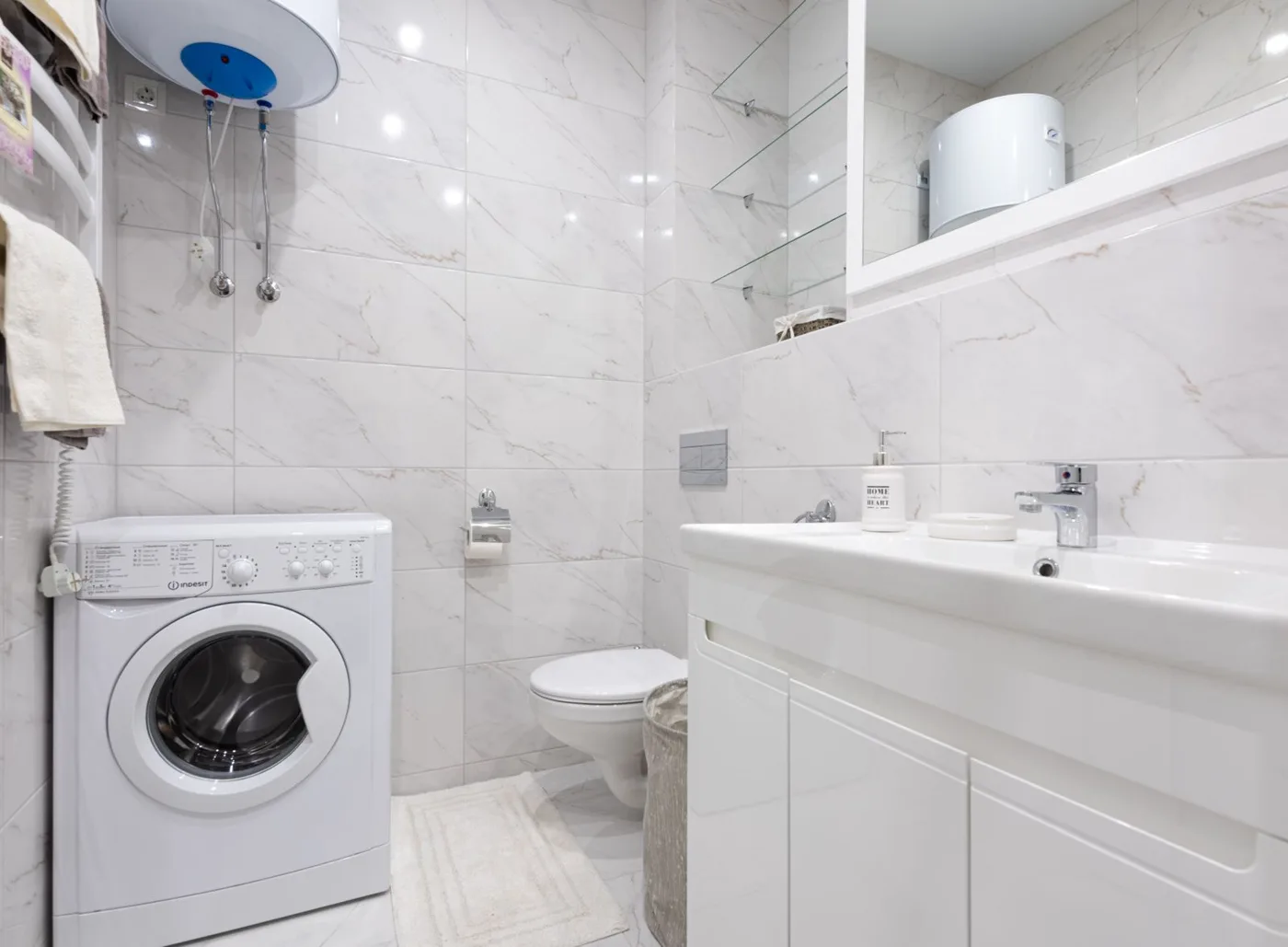
A washing machine's drum can look clean while detergent remains in the drawer and small objects sit in the door gasket. These are separate maintenance areas, and the machine's cleaning cycle may not reach every accessible fold.

Dust on a ceiling fan is most visible when the blades are still, but it is tempting to reach up before the whole setup is safe. Keep this task to gentle cleaning that can be done from a stable floor position with a suitable extension tool.

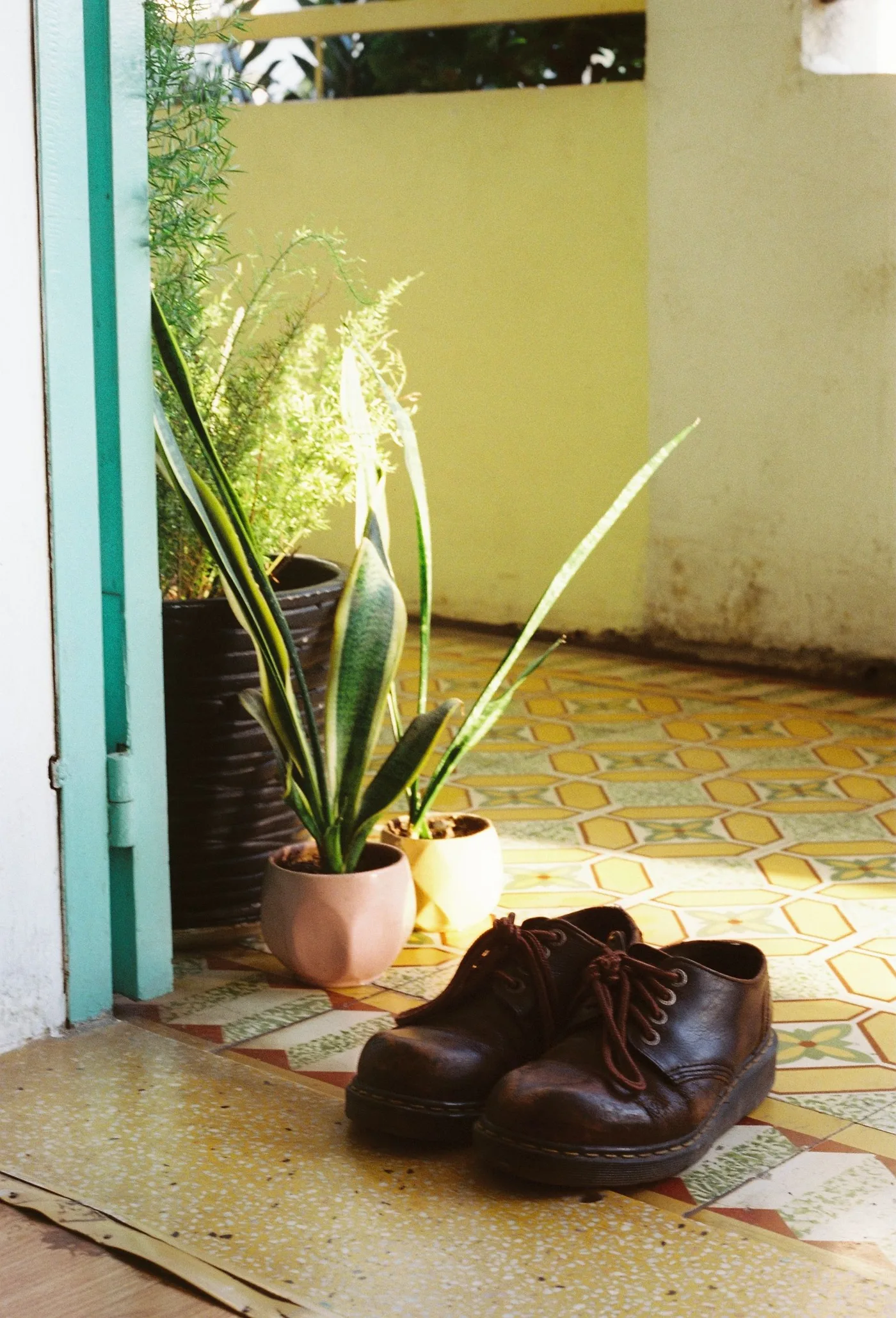
An entryway that collects wet shoes needs both cleaning and a place for moisture to go. Mopping around a crowded shoe pile leaves dirt beneath it and puts wet soles back on the clean floor.

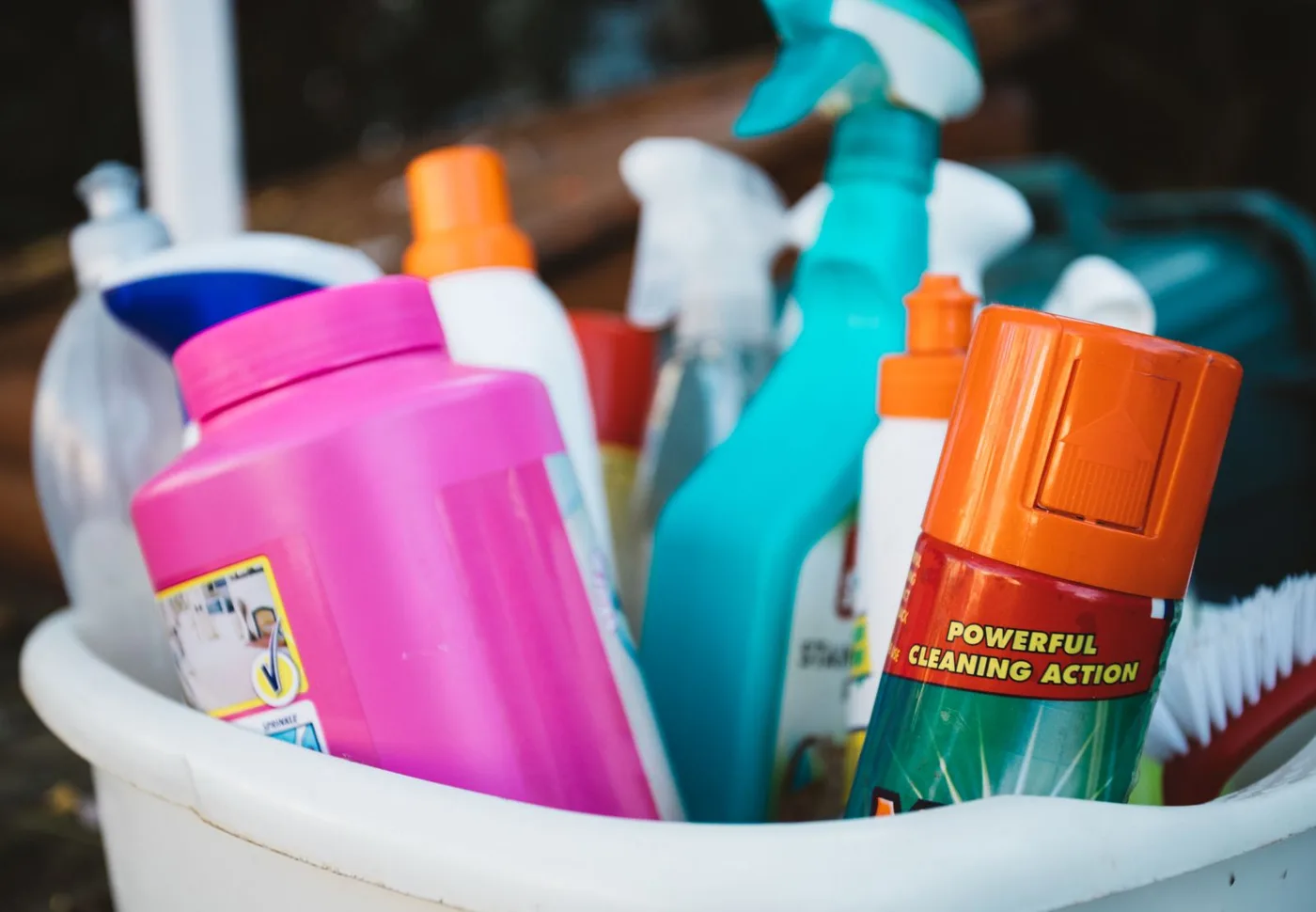
A cleaning caddy should carry the tools for the job in front of you, not the entire cupboard. An overloaded basket is awkward to lift and makes it easier to grab the wrong bottle.