A seasonal home walkthrough is an observation exercise, not a substitute for a technical inspection. Its value comes from noticing change: a new stain, a door that has begun to rub, or water collecting where it did not before. Use the same route each time so small differences are easier to compare without turning every visit into a repair project.
Choose a route you can repeat
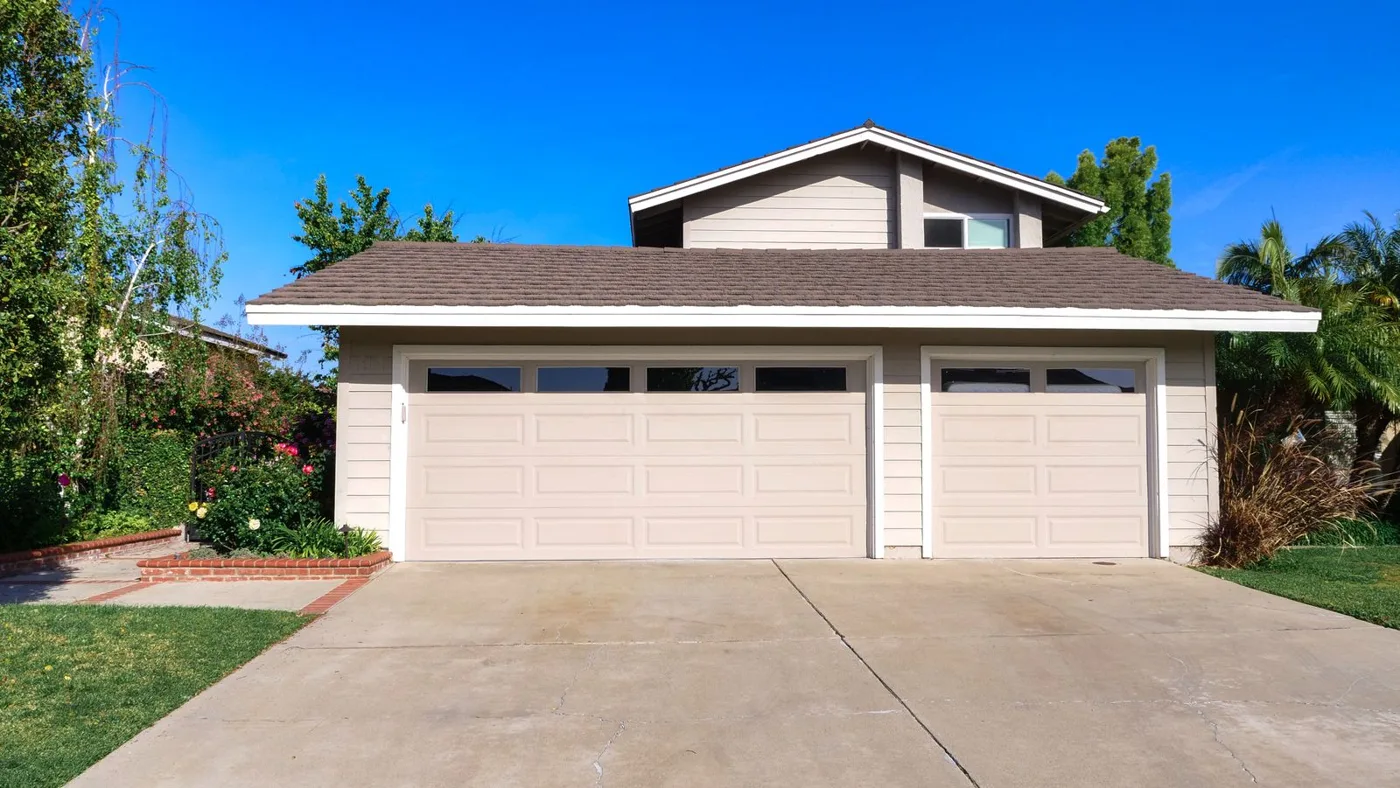
Begin outside from safe ground-level locations, then move through the interior in a consistent order. Do not climb onto the roof, enter a crawlspace or open equipment covers to complete a checklist. Areas that cannot be seen safely belong on a professional inspection list.
Pick conditions that reveal something useful. A dry-day walk shows surface condition, while a later safe observation after rain may reveal drainage behavior. Do not go outside during lightning, strong wind or active flooding simply to follow the schedule.
Use a phone or notebook with a simple location label for each observation. 'North bedroom, lower left window corner' is more useful than 'window problem.' Take one wide photograph for context and one closer image without touching uncertain materials.
Separate normal wear from a new pattern
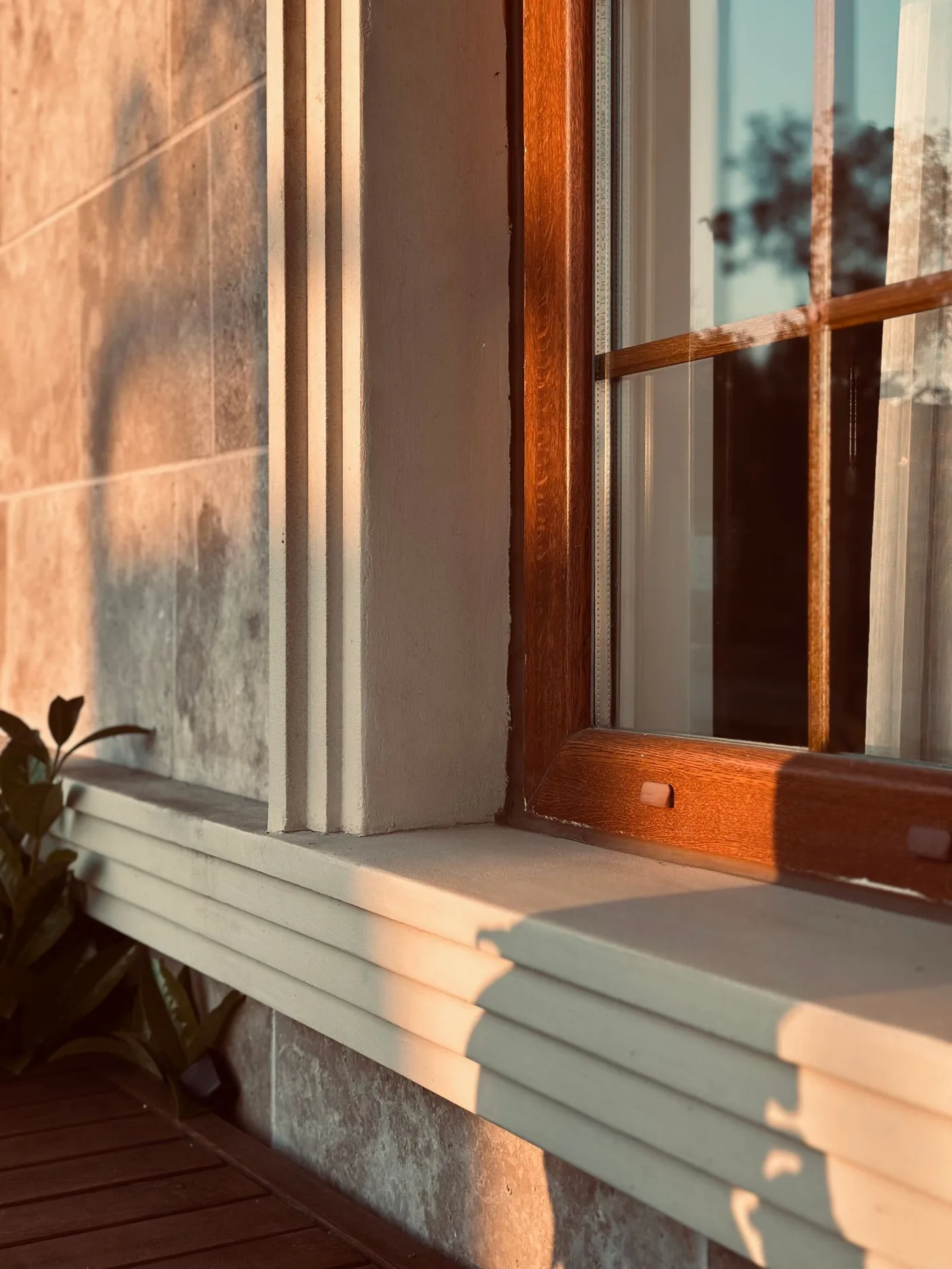
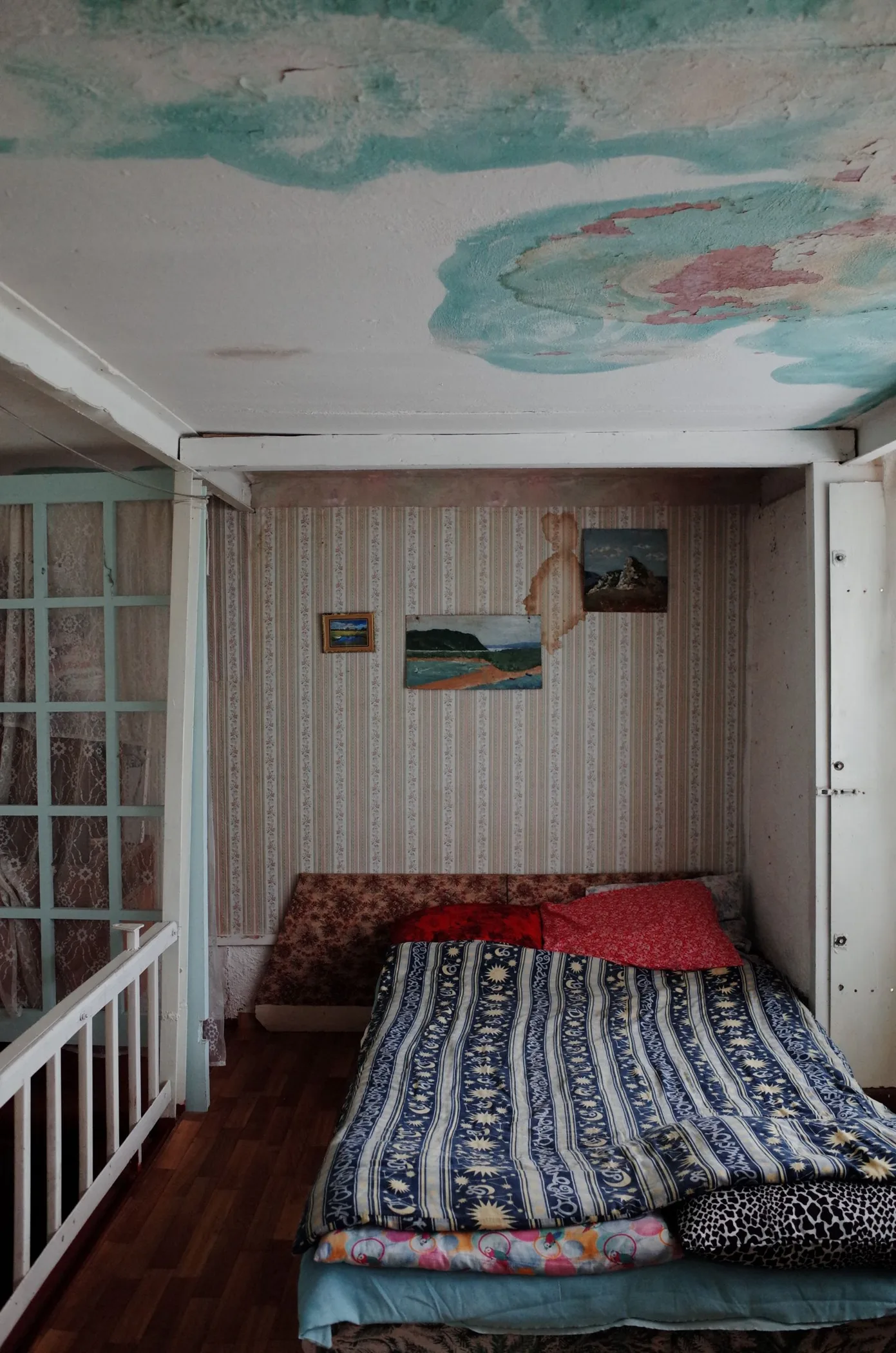
Look at accessible doors, windows, ceilings and the floor near plumbing fixtures. Note new marks, swelling, recurring condensation or a fitting that no longer operates as it did. Avoid diagnosing the cause from a single visual clue; several unrelated problems can produce similar stains.
Outside, observe gutters, downspout outlets and ground surfaces from a safe distance. Record leaves or visible separation, but leave elevated clearing and repair to properly equipped help. A photograph taken during a safe later rainfall can be more informative than a dry picture of a pipe.
Check household equipment only at the level its manual describes for residents. Confirm that required clearances remain open and that reminders for filters, alarms and professional servicing are current. A walkthrough should not become an invitation to bypass a cover or reset a recurring fault.
Sort findings into decisions
Use three practical headings in your notes: routine care, arrange assessment and urgent concern. A dusty accessible grille may be routine care; a repeating damp patch needs investigation. Smoke, gas odor, dangerous electrical symptoms, significant movement or active flooding requires immediate safety action rather than a place on next month's list.
For a nonurgent concern, record what you observed, when it started and whether weather or appliance use seems connected. Use wording such as 'appears after rain' rather than 'roof leak confirmed.' That distinction helps a professional investigate without being pushed toward an unverified diagnosis.
EPA's moisture guidance stresses addressing the water source rather than only the visible aftermath. If a surface is repeatedly wet, prioritize finding and correcting the cause. Painting a stain or placing a basket over it does not close the maintenance issue.
Close the loop before the next season
Assign one next action and a responsible person to each useful finding. 'Ask window installer about the lower seal this week' is easier to act on than 'fix windows.' Keep photographs and the response together so the same observation does not restart from zero every three months.
After work is completed, record what was actually done and any follow-up condition to monitor. Compare later photographs from roughly the same position. Do not let a long checklist create false reassurance: a home can develop a new issue between scheduled walks, and unusual changes deserve attention when noticed.
Keep the routine short enough to repeat. A focused ground-level and room-by-room review with clear follow-up is more valuable than an exhaustive checklist that requires unsafe access or is abandoned after one attempt.