Packing a little from every room can leave an entire home partly dismantled, with no clear sense of progress. A room-based plan creates smaller jobs, but it works best when you distinguish the room an item leaves from the room it will enter. The destination is what matters when someone is standing in a doorway holding a box.
Give each destination a clear name
List the rooms in the new home using names everyone can recognize. If there are two similar bedrooms, add a short description such as front bedroom or office. Put the same wording on the moving plan and on labels. A familiar name from the old home can be confusing when a room will have a different purpose after the move.
Walk through one current room and identify things that will move elsewhere. A bookshelf in the living room may be destined for an office; children's craft supplies might belong in a new hall cupboard. Group these items by destination before packing. Keep one small area for items whose destination is still undecided instead of spreading them among otherwise organized boxes.
Start with a room you can partly close down
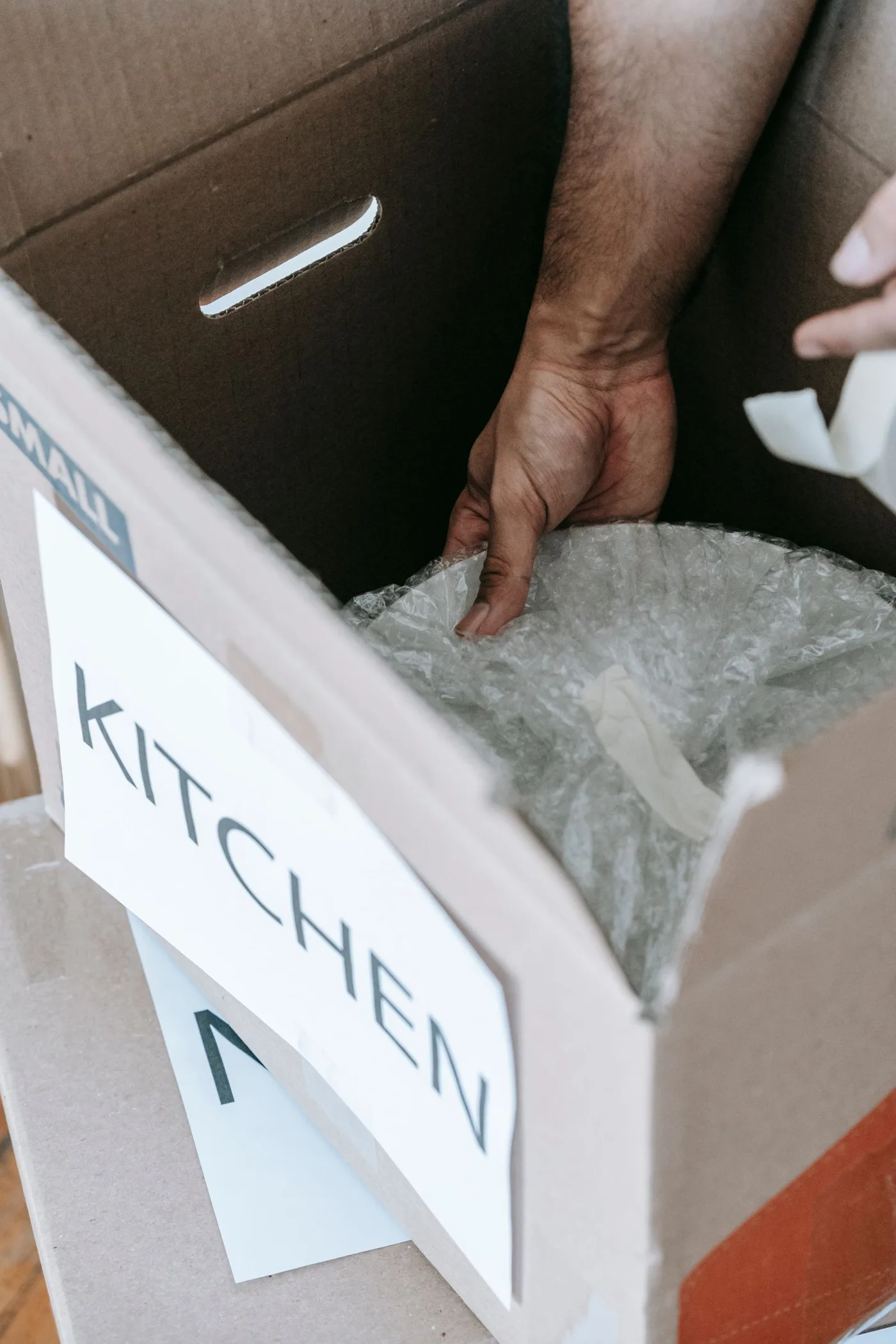
A spare room, occasional dining area or low-use cupboard usually offers an easier starting point than the kitchen. Pack things you can do without first and leave a clearly defined set of daily essentials in use. Finish labeling each box before starting another. An unmarked stack is not really a completed room, even if the shelves are empty.
Set a practical limit for each session: one shelf, a sideboard or the contents of a desk. Leave walking routes and exits clear when finished. Boxes should not become temporary steps, doorstops or obstacles that force someone carrying another load to twist around them. Arrange help for bulky pieces rather than treating every object as a solo packing task.
Keep the moving arrangements separate from the boxes
Use a folder for booking details, access arrangements and the inventory you need on moving day. Do not seal it into a room box. For an interstate move in the US, FMCSA provides a planning checklist covering the mover, the estimate and the documents involved. Consult that resource for the service you are actually booking rather than assuming all moves operate under the same arrangements.
At the end of each room, compare what remains with your daily-use list. You may need bedding, chargers and cleaning supplies after most possessions are packed. Give those items an identifiable final container and tell anyone helping that it should not leave early. A room plan succeeds when it leaves the old home usable and gives the new one a sensible unloading order.