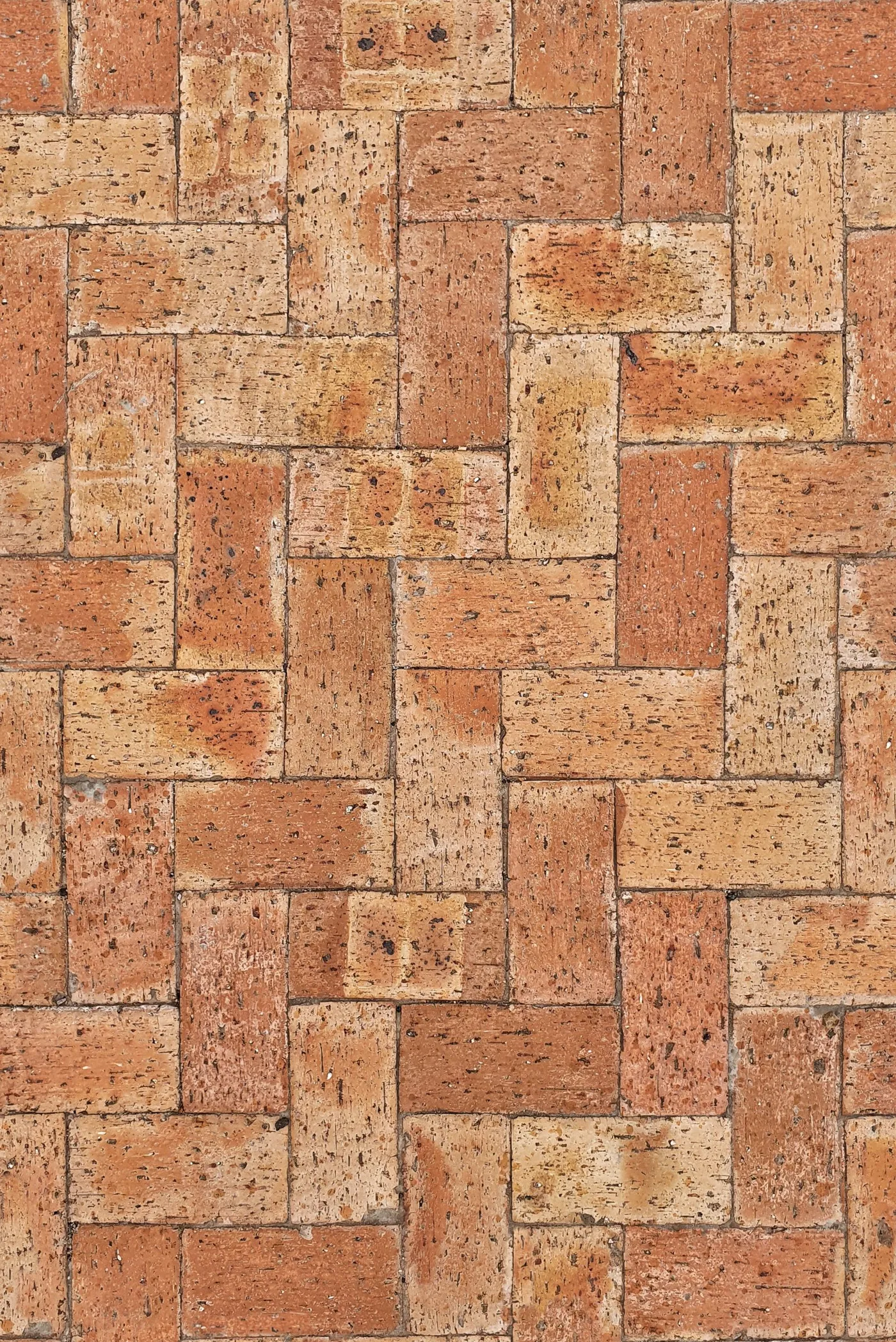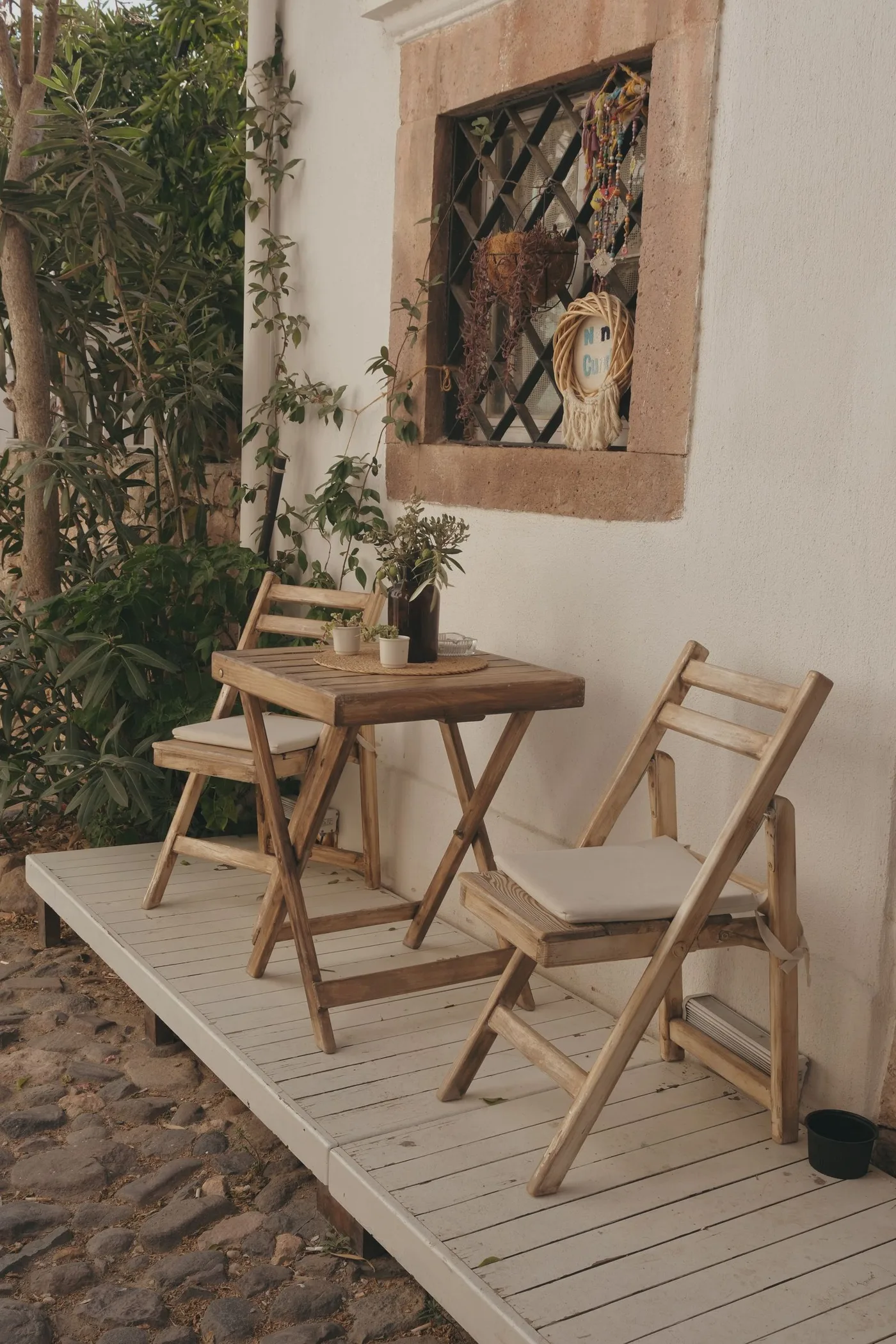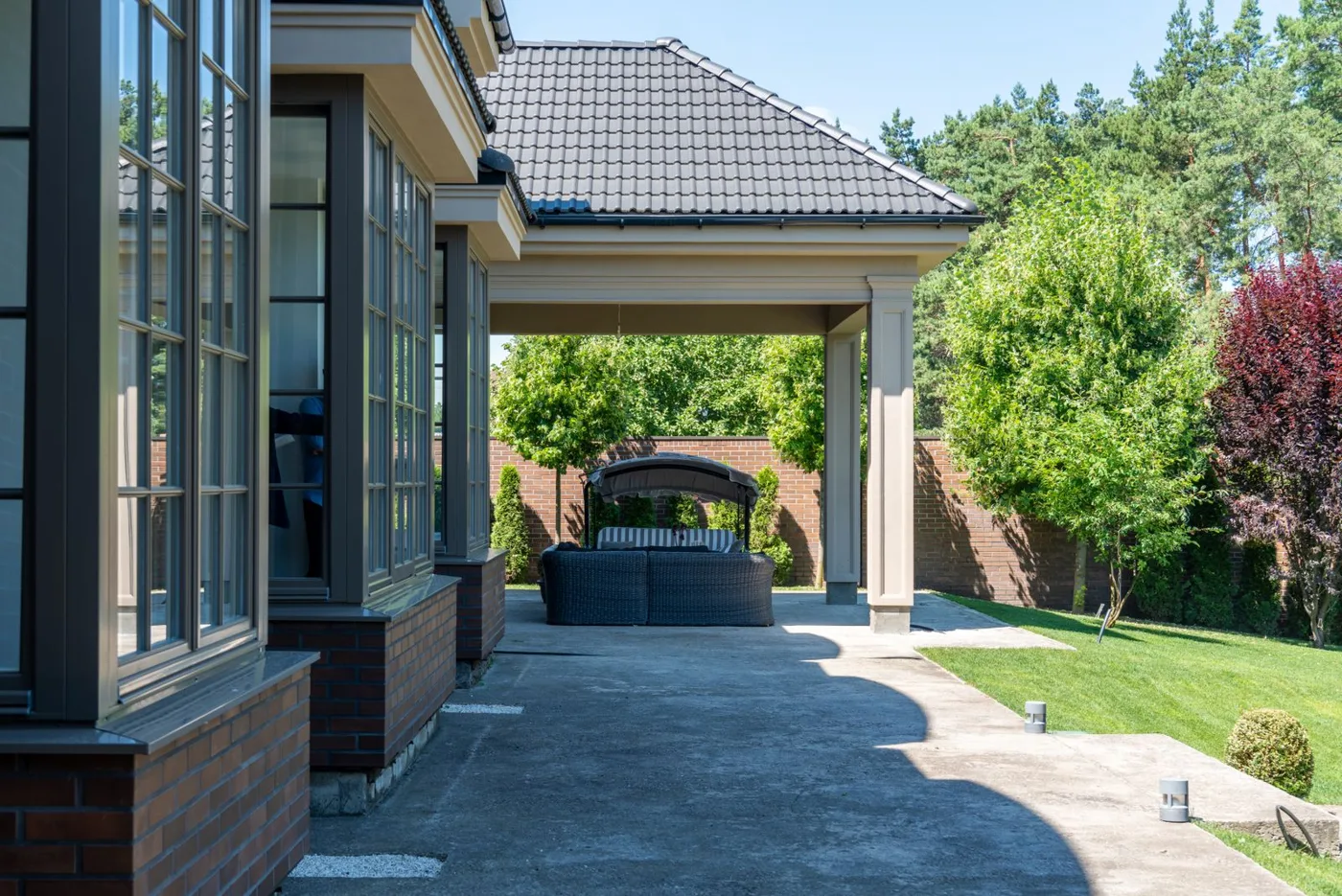
A patio is rarely one uniform surface. Concrete slabs may meet natural stone, a sealed section may sit beside an untreated one, and the joints can be more vulnerable than the paving itself. Identify those parts before choosing a cleaner. A product that removes a mark quickly is not a success if it changes the finish or washes out the joint material.
Make a small surface map
Look for installation records, leftover packaging or a known supplier. Note whether the paving is concrete, clay, porcelain or a particular natural stone, and whether a sealer or coating has been applied. If the material is unknown, avoid guessing from color alone. A paving supplier or installer may be able to identify it from records and a close inspection.
Mark damaged areas, loose pieces and sections where water collects. Cleaning will not correct a rocking slab or a drainage problem. Keep people away from unstable paving and arrange assessment before using equipment on it. Also note nearby doors, vents, planted beds and electrical fittings that must be protected from cleaning water.
Begin with the least disruptive step
Remove furniture and sweep loose leaves and grit using a brush suitable for the surface. Clear accessible debris without digging aggressively into joints. Often this reveals that the patio needs targeted work rather than a full chemical treatment. Separate ordinary dirt from oil, rust, algae or a mark that appears to come from the paving itself.
Consult the paving and sealer instructions for an approved cleaner. Do not assume vinegar is a gentle universal choice, especially around acid-sensitive stone. Likewise, a product suitable for bare concrete may be unsuitable for a decorative coating. Test a discreet section, allow it to dry and compare it with the untreated area before proceeding.
Control the water as carefully as the cleaner
Plan where rinse water will go and follow local requirements and product directions. Keep contaminated runoff out of storm drains and planted areas where the label prohibits discharge. Avoid flooding thresholds or directing water toward the house. If the patio cannot be cleaned without sending wash water somewhere unsuitable, ask a specialist about containment.
Pressure washing is not automatically the next step after sweeping. The permitted equipment, pressure, nozzle and distance depend on the surface and joints. An aggressive stream can damage a coating or remove joint filling. When the maker's guidance is unavailable, do not discover the limit by moving the nozzle progressively closer.
Judge the dry result
Work in manageable areas and keep the patio closed to foot traffic while it is slippery. Rinse only as directed and allow the surface to dry before deciding whether another treatment is necessary. Wet paving can conceal both remaining marks and newly altered color. Photograph the test section in similar light if the difference is subtle.
Afterward, check joints, furniture feet and runoff routes. Replace items only when the surface is ready for use. Record the product and method that worked so the next clean can start from known information. For a recurring mark, investigate the source, such as dripping furniture hardware or a planter that constantly overflows, rather than repeating a stronger clean every season.