A useful first tool kit begins with the jobs you expect to do, not with the largest case on the shelf. Tightening a cabinet handle, measuring a shelf space and hanging a lightweight picture call for different tools from remodeling a room. Buying for those smaller tasks makes the kit easier to carry, store and understand.
List three real jobs first
Write down a few low-risk jobs in your home and identify the fasteners or measurements involved. A loose handle may need a particular screwdriver tip, while a furniture adjustment might need the hex key supplied with the item. Save those manufacturer-provided tools with the instructions instead of assuming a new universal kit will replace them.
Decide where the work stops. A household tool box does not qualify its owner to alter electrical wiring, gas equipment or structural parts. If a task involves an unknown wall, an old coating or a load-bearing fixing, understand those conditions before buying tools for it. The right first purchase may be an assessment rather than a drill.
Build a measuring and fastening core
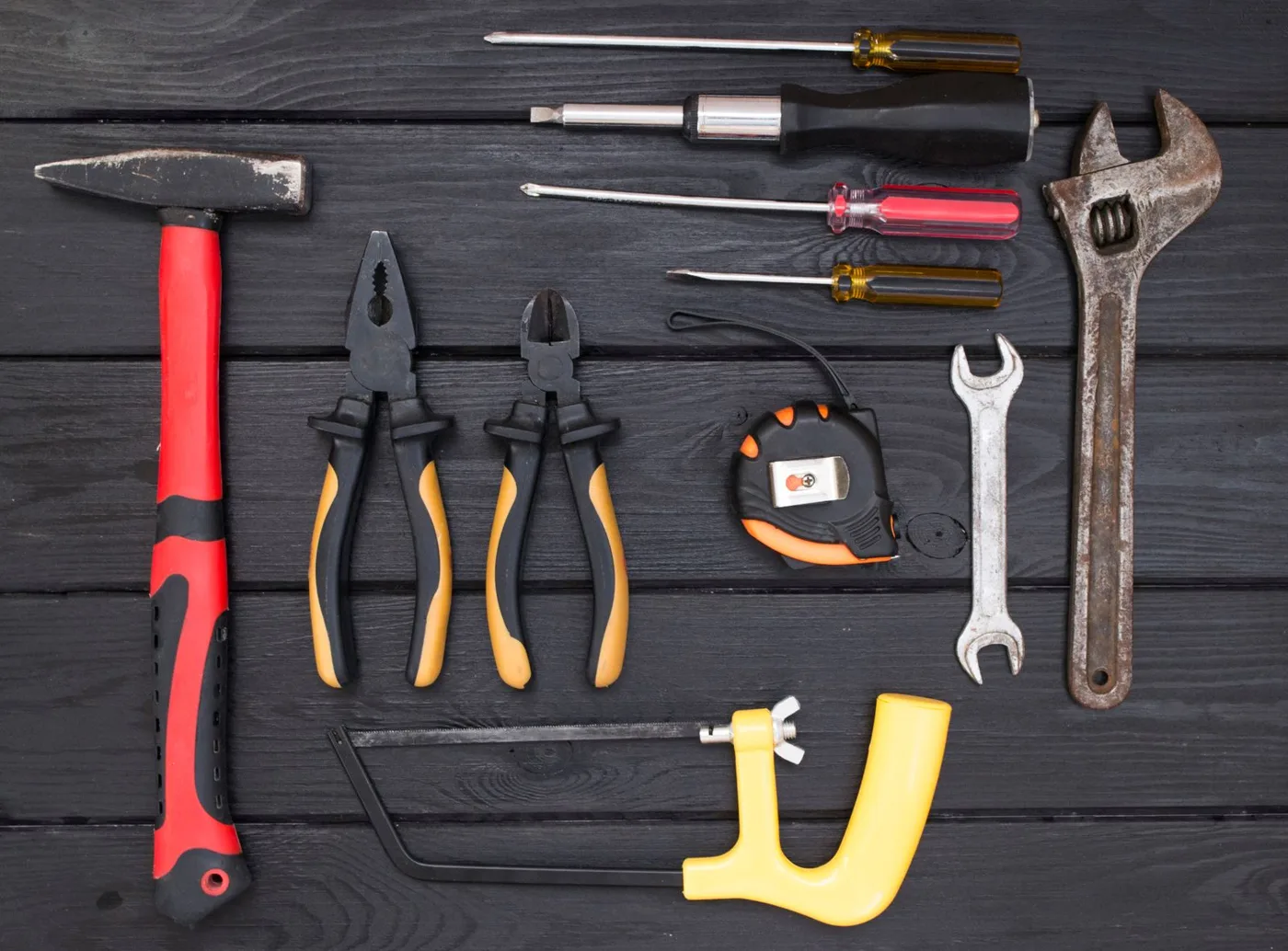
A readable tape measure, pencil and compact level help with planning before anything is cut or attached. Try the tape's lock and markings in the store if possible. For occasional room measurements, a tool you can hold steadily is more useful than extra length that makes it bulky. Record whether the measurement is an opening, an outside dimension or the available clearance.
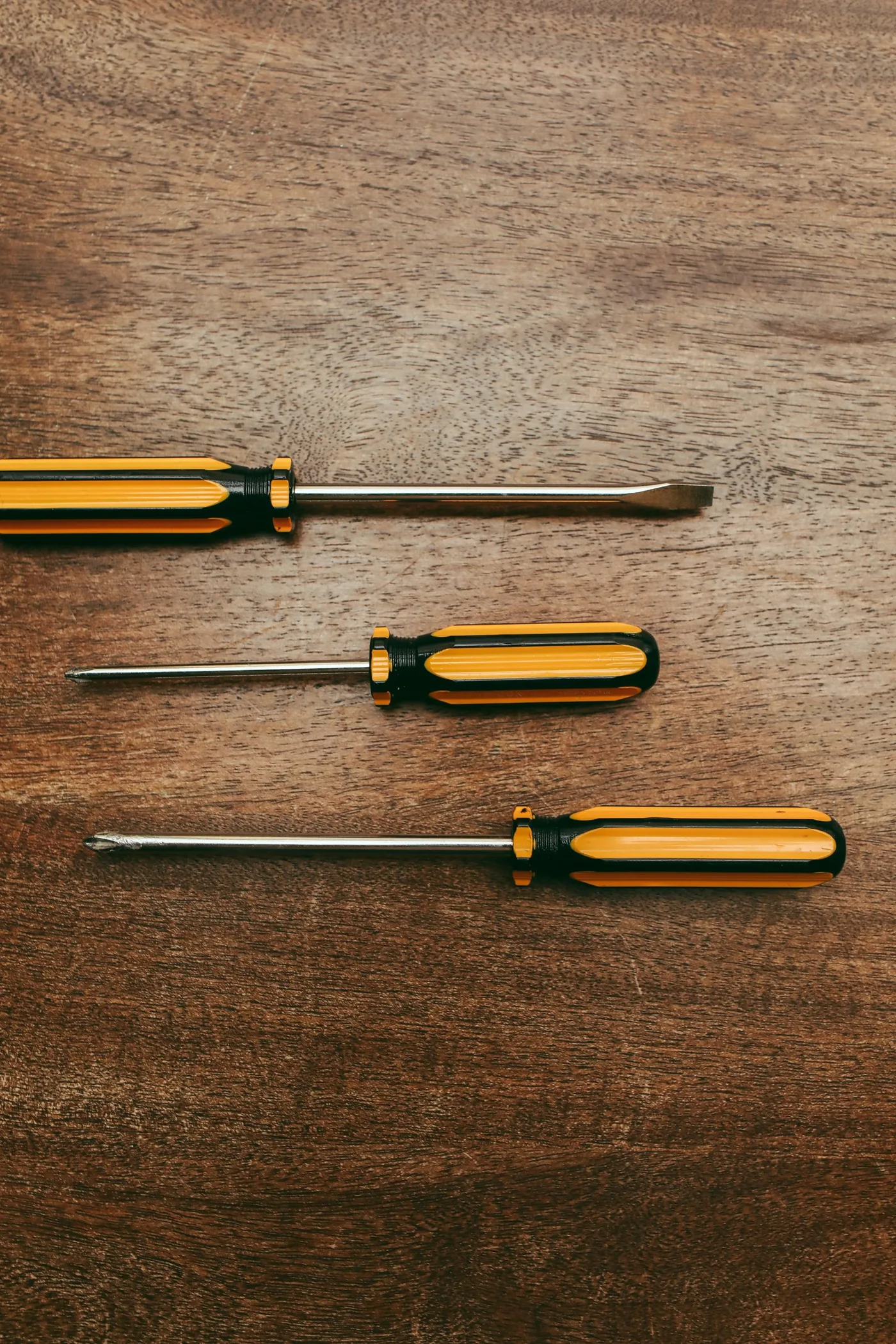
Choose screwdrivers or bits that fit the fasteners you actually encounter. A poorly fitting tip can slip and damage the head. A modest selection of common sizes is preferable to dozens of unfamiliar accessories with no clear purpose. Add suitable pliers or an adjustable wrench only for jobs where their use and the required grip are understood; gripping harder is not a remedy for the wrong tool.
Consider control, protection and storage
A small clamp can hold a piece still more reliably than an awkward hand position. A stable work surface, good lighting and task-appropriate eye protection also belong in the plan. Read the instructions for any tool before using it, inspect it for damage, and keep fingers out of the path of a blade or striking tool. Do not improvise extensions to gain leverage.
Store sharp items with their edges covered and keep the kit away from children. Separate loose screws and small parts into labeled containers so they do not spill through the case. A shallow box with visible compartments may be easier to use than a deep bag, but choose storage that fits the tools without forcing lids closed or bending measuring blades.
Add tools only when a job explains the need
For an occasional unfamiliar task, compare borrowing or renting an appropriate tool with buying one. Factor in learning time, safe transport and whether the equipment can be returned clean and complete. Do not borrow a tool without its instructions or accept a damaged accessory because the job is small.
After each project, note what was missing and what stayed unused. That record guides the next purchase better than a sale bundle. Wipe tools as directed, let them dry before storage and replace damaged items instead of hiding them at the bottom of the box. A compact kit that remains complete and serviceable is a better starting point than a large collection you cannot readily check.