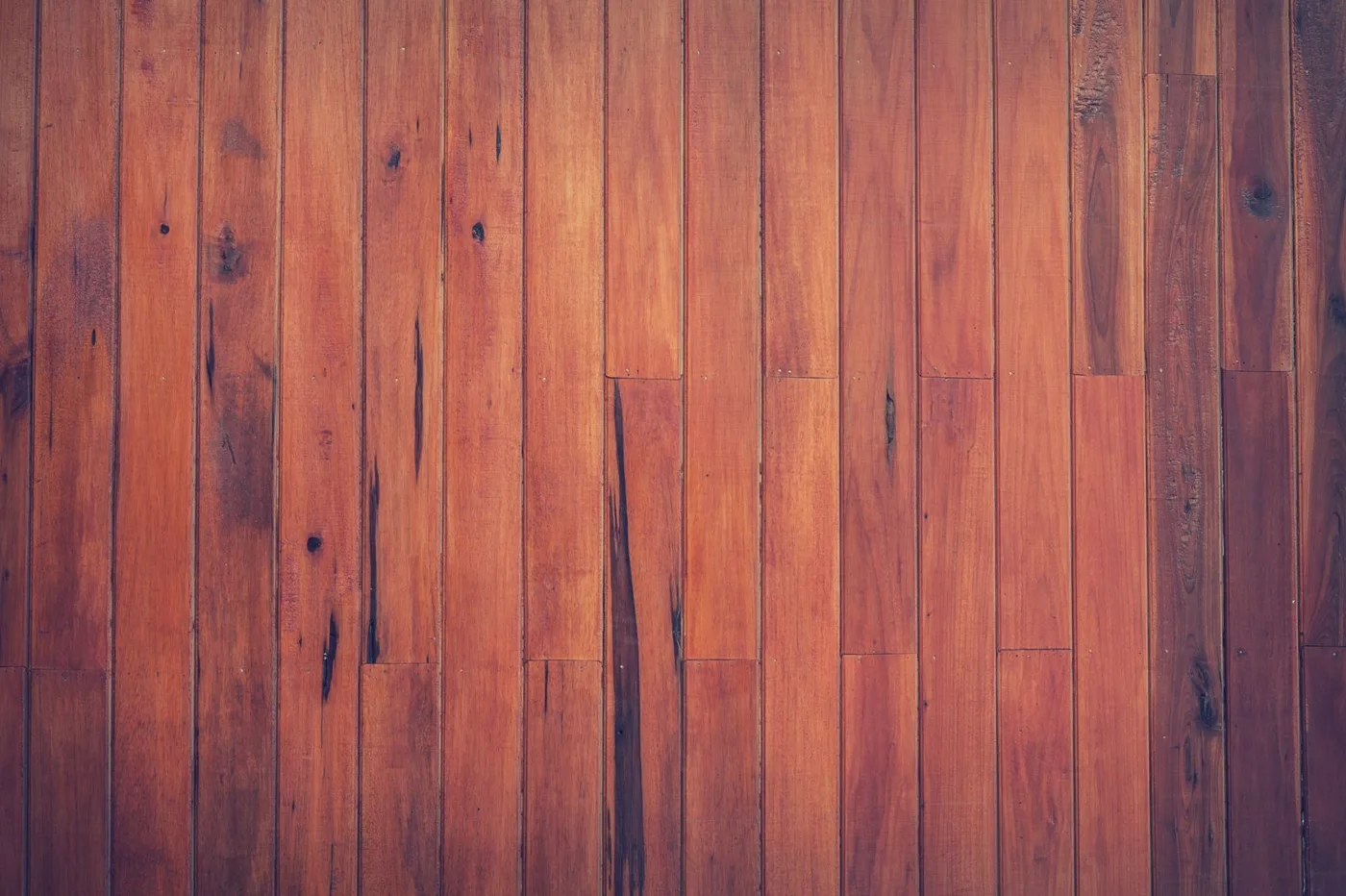
A sealed wood floor still needs protection from grit and excess moisture. The finish changes which cleaner is appropriate, but it does not turn the boards into an outdoor deck. Start with dry soil removal and reserve liquid cleaning for the marks that remain.
Know the finish you are maintaining
Find the flooring paperwork or ask the installer whether the surface is factory-finished, site-finished, oiled or another system. A product that suits one finish can leave another cloudy or difficult to recoat. If the history is unknown, ask a flooring professional before applying polish, wax or a restoration product.
Look for areas where the finish has worn through, particularly near sinks and exterior doors. Darkened seams, raised edges or a soft spot should be assessed rather than repeatedly mopped. A cleaning routine cannot repair moisture damage beneath the surface.
Remove abrasive dirt first
Use a soft broom, dust mop or vacuum on the correct bare-floor setting. Check wheels and attachments for trapped grit. Work around chair legs and the edges of rugs, where dirt can remain even when the open center looks clean.
The National Wood Flooring Association advises against wet and steam mops and recommends a cleaner matched to the finish. Follow the product's application method and dose rather than pouring liquid directly over a large area. A small controlled section is easier to inspect and dry.
For a spill, address it promptly with a suitable dry or slightly damp cloth as the floor instructions allow. Remove residue without flooding the seam. Do not scrape at a dried mark with a metal edge or scrub until the sheen changes.
Manage what enters the room
Use floor-compatible entry mats and keep them clean. A mat full of grit becomes a source of particles rather than a solution. Check its backing and the floor beneath periodically; a trapped damp patch can stay hidden for days.
Inspect furniture pads and replace any that carry embedded dirt or have slipped out of position. Lift furniture with appropriate help rather than dragging it to reach a dusty corner. Clean beneath movable pieces only when there is a safe way to handle them.
Judge a dull floor after routine cleaning, not while it is still damp. If the finish remains worn, ask about maintenance or recoating appropriate to that system. Adding layers of shine product without identifying the finish may complicate later work.
Keep a record of the approved cleaner and finish name with the house documents. That makes it easier for another household member or a hired cleaner to follow the same compatible routine without relying on a label such as 'wood floor' alone.