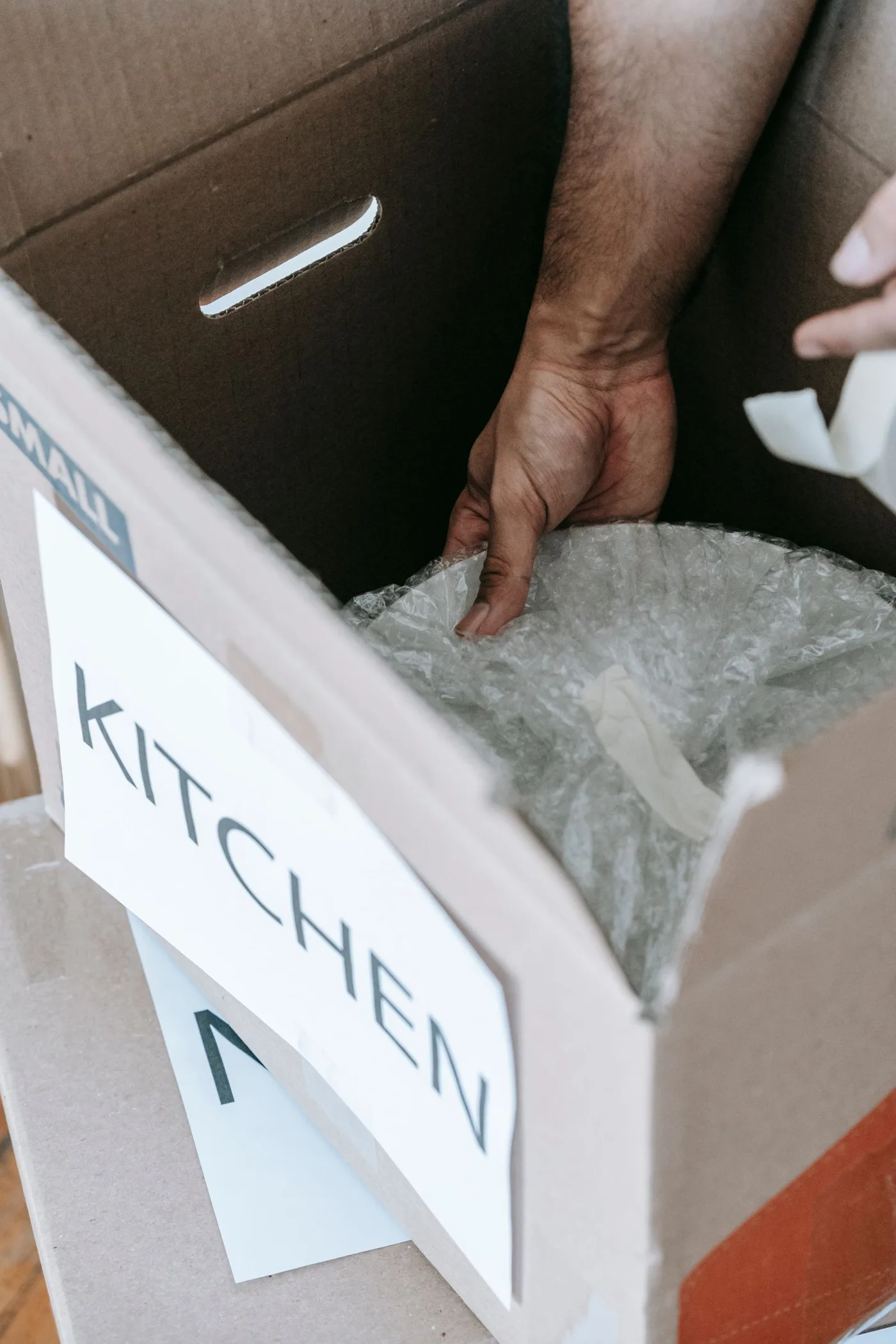
Seasonal clothing stores better when the last step is packing, not cleaning. A sweater that appears tidy may still carry perspiration, food residue or moisture from a recent wash. Start the changeover while there is time to check care labels, clean suitable items and let everything dry fully, rather than pushing the whole season into a container on a rushed afternoon.
Give each garment a decision
Lay out a manageable group and separate items to keep, repair, donate or recycle through an appropriate local route. Empty pockets, remove disposable tissues and check fasteners. Repairing a loose button now prevents a small job from becoming a surprise when the weather changes. Record anything that needs professional care instead of guessing at a washing method.
Follow each garment's label. Wool, structured jackets, waterproof clothing and embellished pieces may require different treatment. Storage does not make a damp item dry safely, and fragrance does not replace cleaning. Let freshly cleaned clothing cool and dry completely before enclosing it; if there is any uncertainty about residual dampness, allow more time in a suitable ventilated space.
Match the container to the material and room
Select clean containers that protect against dust without creating pressure that damages the clothes. Fold knitwear rather than leaving heavy pieces stretched on unsuitable hangers. Keep delicate trims from snagging neighboring items. Compression products can save space, but are not appropriate for every material or padded garment; follow the clothing and storage-product guidance before using them.
Think about the storage location as carefully as the container. A damp garage, hot attic or space beside a leak is a poor choice even if the box closes neatly. Do not assume a sealed lid or a scented sachet controls humidity or prevents every pest. If you find signs of pests, investigate the cause and obtain suitable advice before packing unaffected clothing beside it.
Make the first cold day easier
Label the container by season and household member, then add a short description of the contents. Keep transitional layers accessible so an unexpectedly cool week does not require opening every box. Avoid packing items beneath loads that will crush them or make retrieval unsafe.
Check stored clothing periodically, especially after a change in room conditions or a water leak. At the next changeover, inspect garments before bringing them into use and freshen or clean them according to their labels. The objective is a small, usable seasonal collection, not a perfectly filled container that hides clothes nobody wants to wear.