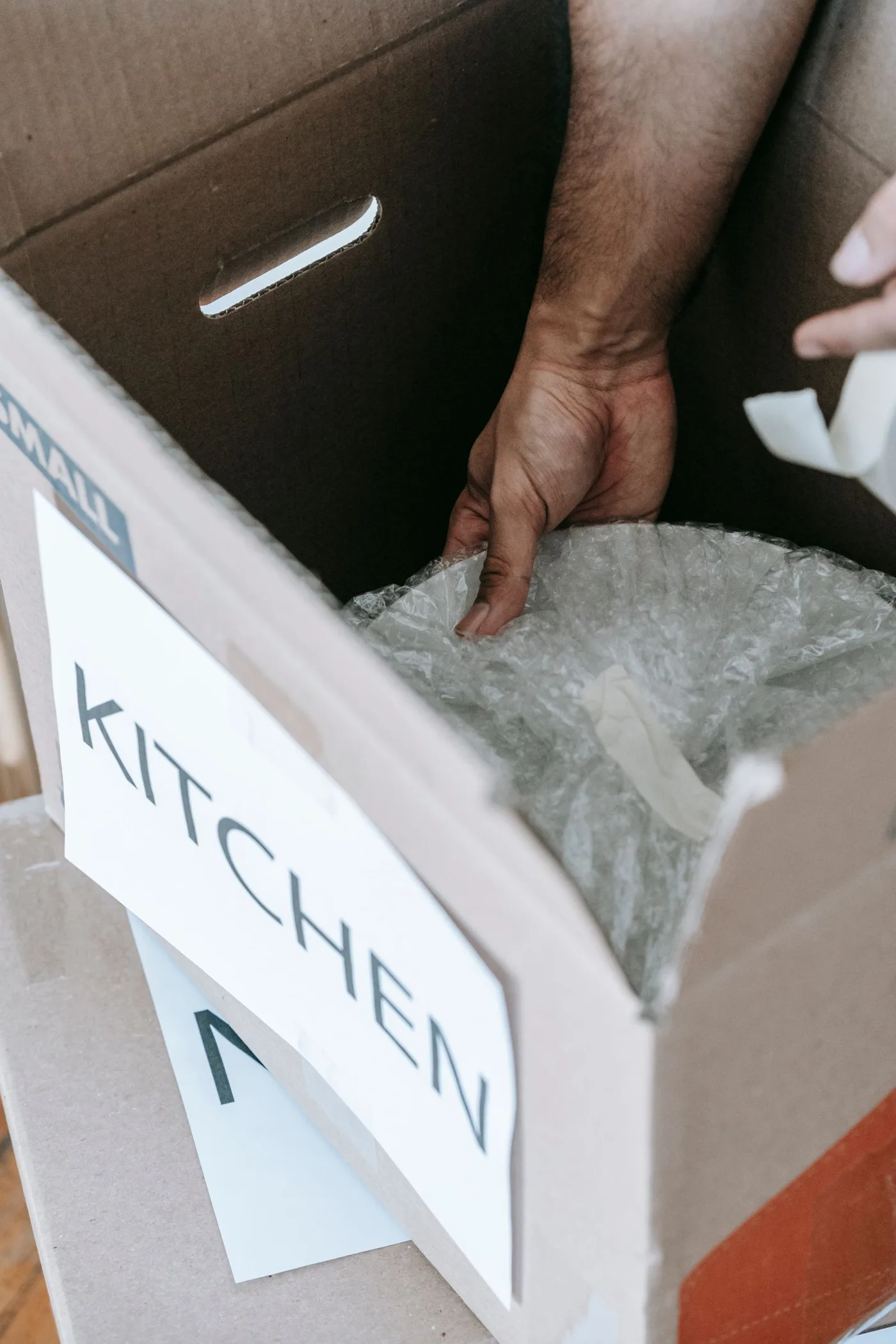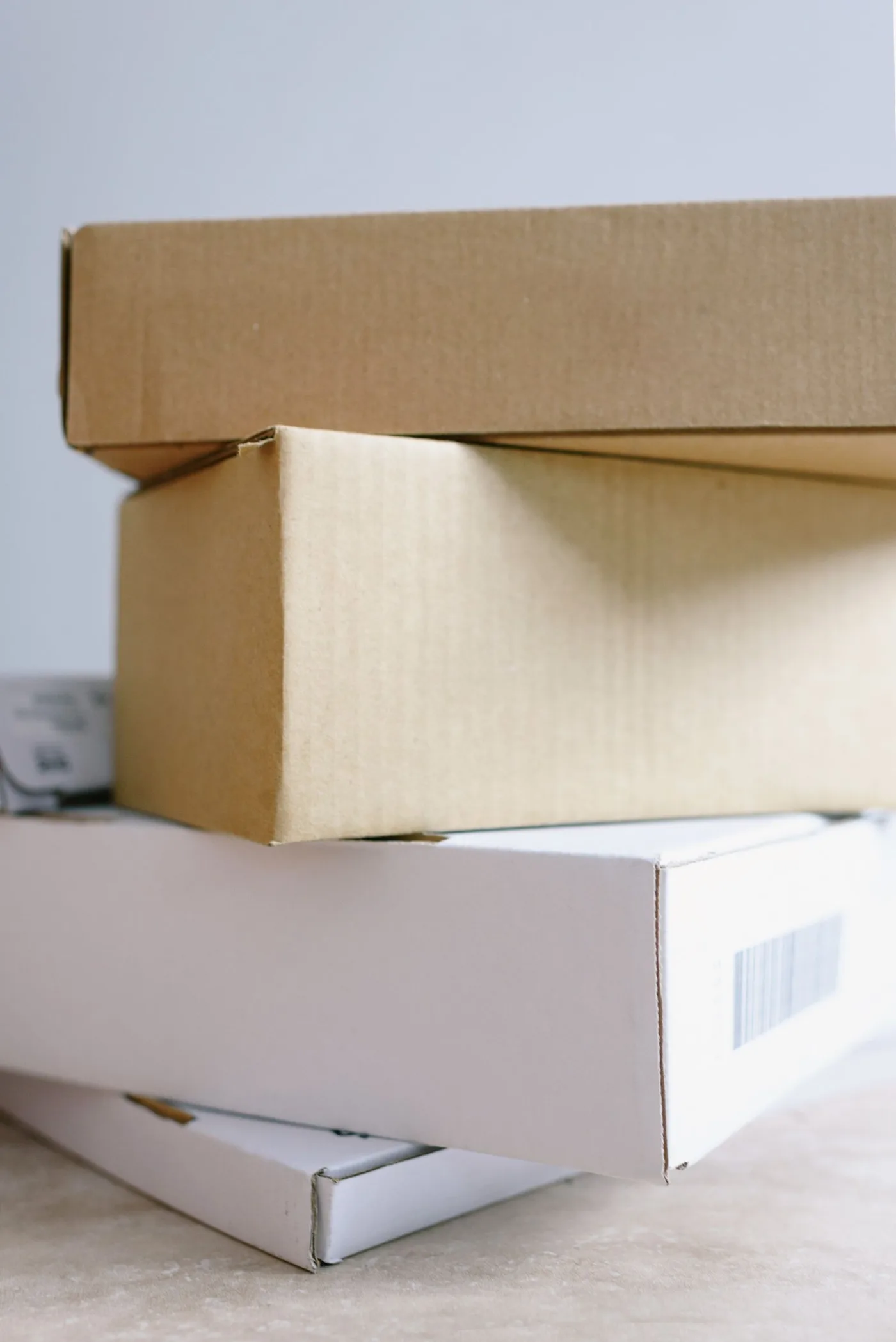
The biggest available box is rarely the easiest answer to a room full of belongings. A carton that is manageable when empty can become awkward long before it is full. Choose boxes around the contents, the route and the people handling them, rather than using one size for everything and hoping the packing material will make it work.
Separate dense items from bulky ones
Books, tools and canned goods take up less space than their weight suggests. Keep them in smaller suitable containers, and check the load as you pack rather than waiting until the top is sealed. Bedding and some soft furnishings need more volume but may not need the same kind of reinforcement. Do not use a printed box rating as a personal lifting target.
Consider the shape as well as the size. A long carton that blocks your view of the stairs can be difficult even when it is light. Handles are useful only if they are sound and intended for the load. A damaged cutout or a damp cardboard edge should not be relied upon to hold a fully packed box.
Check the carton before filling it
Look for crushed corners, loose seams, previous water damage and tears around handholds. Remove misleading labels from reused cartons. Assemble and close the bottom according to the box supplier's instructions, using suitable packing tape rather than assuming a few strips of office tape will support the contents. Place the carton on a stable surface while loading it.
Pack to prevent movement without forcing the sides outward. A bulging box is harder to stack and may press on fragile items beside it. Equally, a large empty gap can allow the top to collapse when something is placed above it. Use appropriate cushioning or change to a better-sized box instead of filling every spare space with unrelated heavy objects.
Test the real route, not just the first lift
Before continuing a batch, check that the packed container can be handled comfortably and that help or suitable equipment is available when needed. Do not make a trial carry on stairs with a box that already feels uncertain. Split the contents into another carton if necessary; the extra box is usually easier to manage than an unsafe load.
Label the destination and note any special handling requirements clearly. Keep heavy boxes low in a stable arrangement, following the mover's loading plan rather than inventing a tower to save floor space. Ask the provider about its packing requirements before buying large quantities. A box that suits one household's route or moving method may not suit another's.