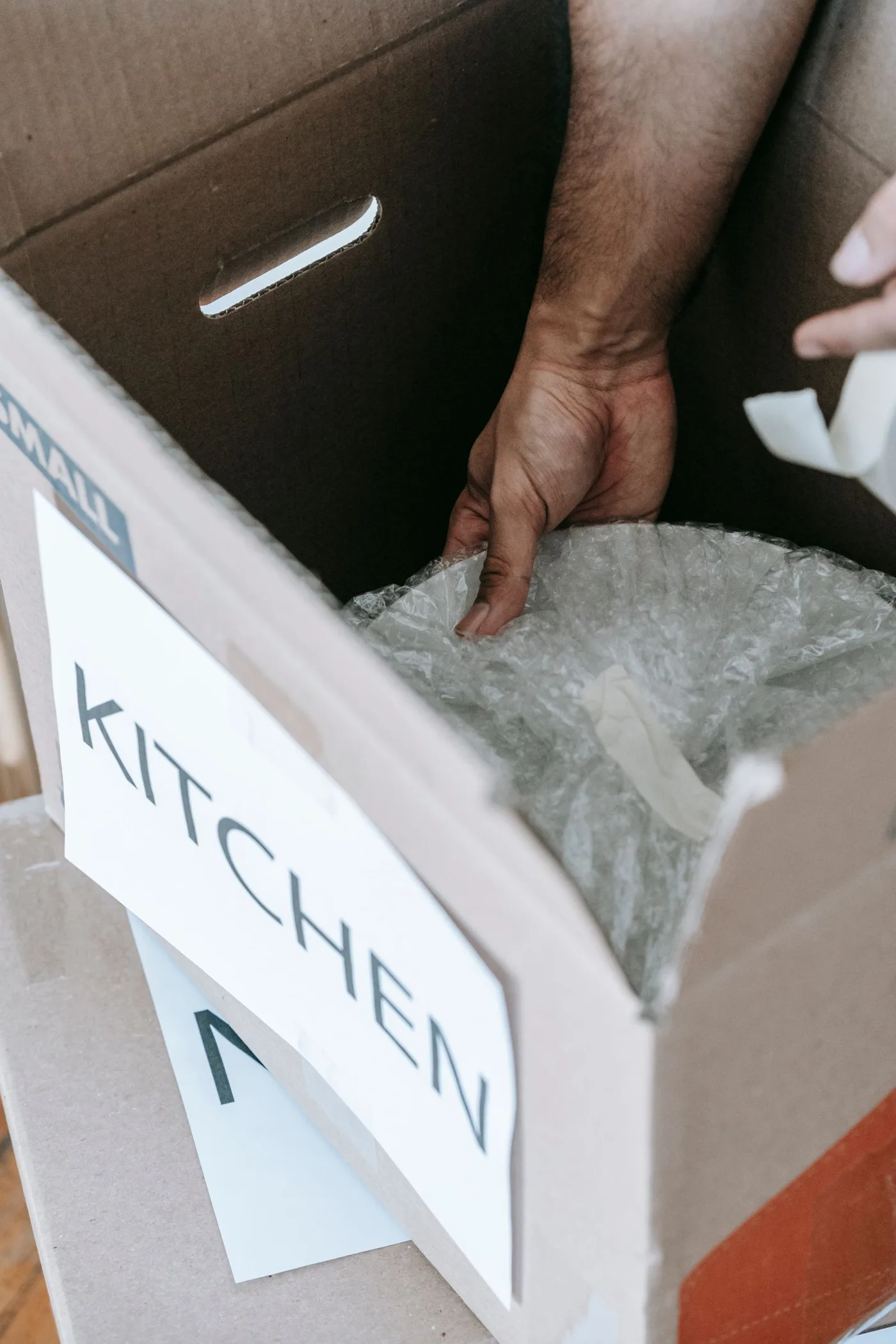
Donation sorting is most effective before boxes are packed and a vehicle is booked. Once an unwanted item has been wrapped, labeled and carried downstairs, it is more likely to move with the household simply because time is running short. Set aside a limited area for possible donations and decide their destination before that area becomes another storage pile.
Check what the recipient can accept
Review the receiving organization's current acceptance rules, opening times and collection arrangements. Different groups accept different materials and conditions; a useful item is not automatically suitable for every donation center. Ask about large furniture, electrical equipment and items with missing parts before making a journey or leaving them for a pickup.
Inspect each item honestly. Clean, complete, usable belongings are different from broken objects that would transfer a disposal problem to someone else. Follow applicable safety guidance and recall information where relevant. Do not donate a product you know to be unsafe, and avoid assuming that a charity can repair, test or clean everything it receives.
Create a definite exit plan
Separate confirmed donations from items still awaiting a decision. Add a collection date or planned drop-off trip, and pack in a way the recipient requests. Keep matching components together and include instructions when available. Label containers clearly so movers do not load them with belongings intended for the new home.
For an item that cannot be donated, investigate a suitable recycling or disposal route. Local rules vary, especially for batteries, chemicals, electrical products and bulky waste. Keep these materials separate and follow the relevant collection instructions rather than mixing them into a general donation box. Allow enough time to arrange a lawful alternative if a collection is declined.
Keep the decision manageable
Work through one category or room at a time. A short set of questions helps: will this fit the next home, does anyone use it, and is there a realistic plan to repair it? Avoid making decisions about another household member's belongings without discussing them. For sentimental items, choose a smaller review session rather than forcing a rushed choice on moving day.
Once the donation has left, update the packing plan so you do not search for it later. Keep any receipt the organization provides if it is relevant to your records, without assuming a particular tax benefit. A successful donation process ends with an accepted handover, not simply a labeled bag beside the door.