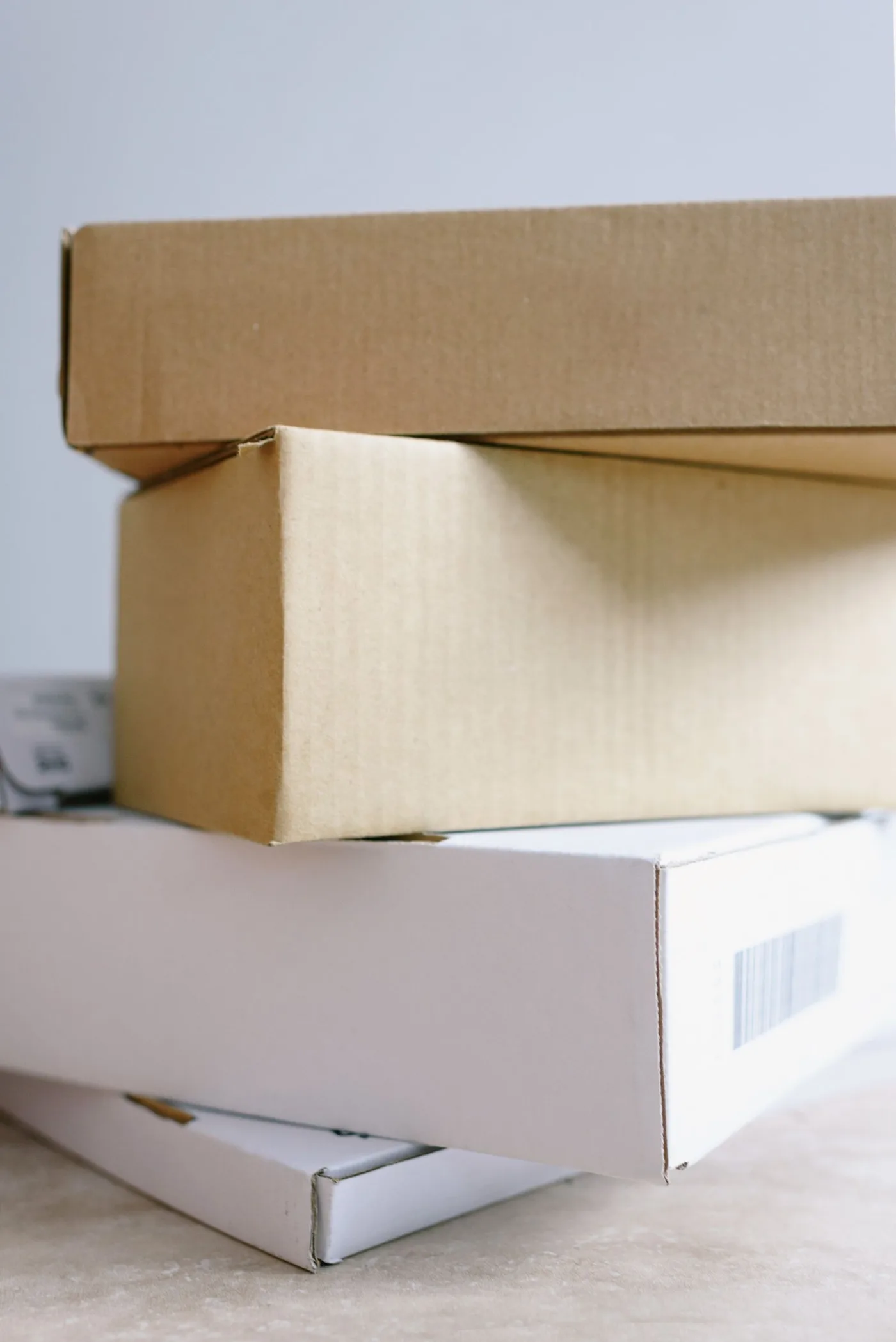
A large box can look like the efficient choice for a shelf of books, but the weight often becomes inconvenient long before the space is full. Plan book packing around the person who will handle the box and the route it must travel, including stairs, narrow corners and the distance from the vehicle. A container that is manageable beside a bookshelf may be much less manageable after several trips.
Sort the shelf before choosing boxes
Separate books that will travel with you, books to donate and anything needing special protection. Check for loose inserts, bookmarks containing personal information and damaged covers. Keep valuable or delicate volumes apart from ordinary paperbacks; a routine moving box is not a conservation treatment for a fragile binding.
Choose small, sound containers appropriate for moving and follow their stated load limits. A limit printed on cardboard is not a personal lifting target. Inspect the base and seams, close them according to the box maker's directions and avoid relying on an old container that has become soft or distorted. Have several smaller boxes available before packing begins.
Arrange rather than compress
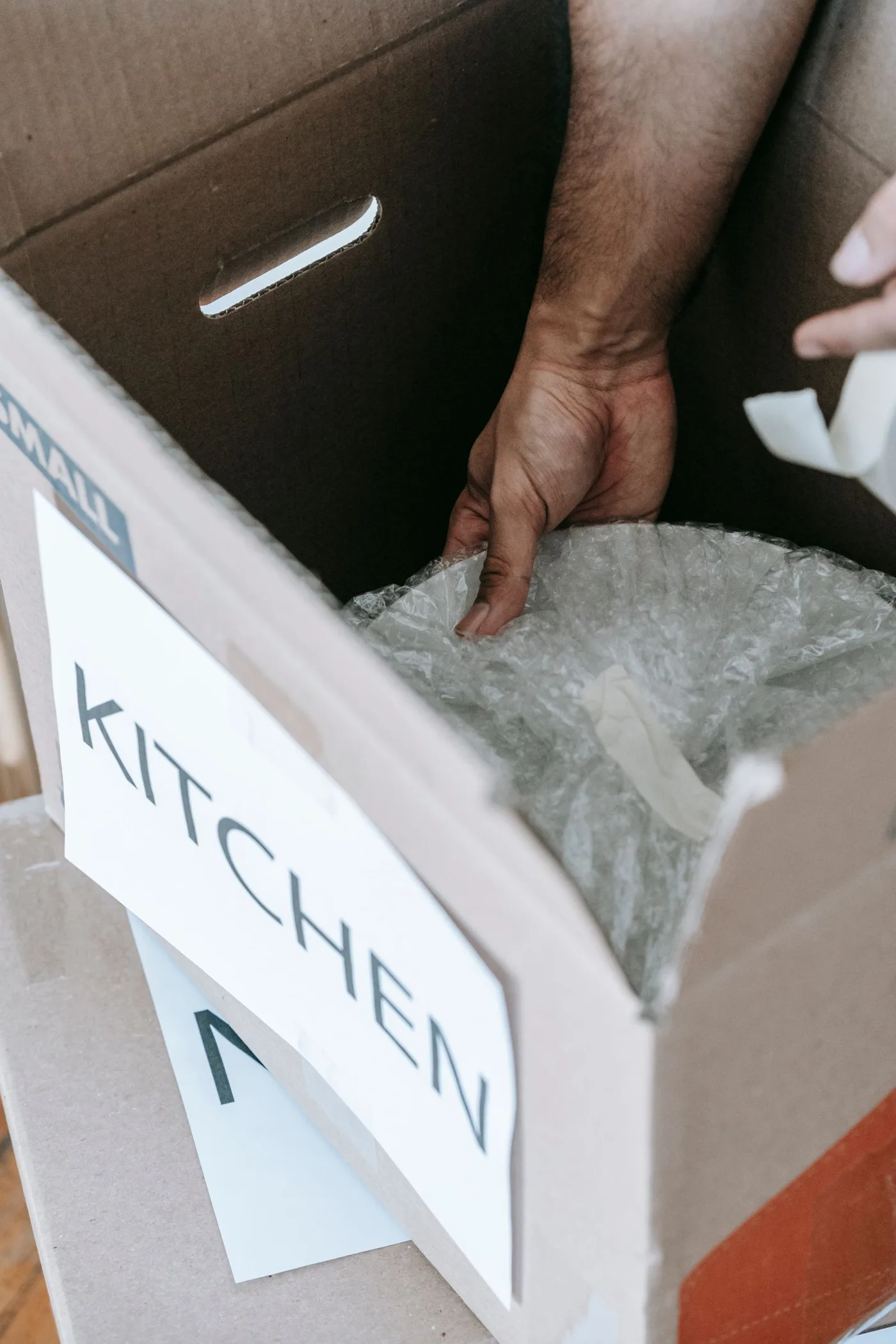
Use clean, dry packing material to keep covers from rubbing and books from shifting. Pack in a position that supports the bindings, following any specialist advice for valuable editions. Do not bend an oversized volume to make it fit, or force a row tightly enough that removal will damage the edges. Fill small gaps without pressing hard against the books.
Pause after the first few layers and assess the load safely. If it is becoming awkward, finish that box with light protective material instead of adding more books. Mixing heavy books with breakable household items can make unpacking confusing, so keep the contents predictable and mark the box clearly. Never use a person standing nearby as a substitute for planning a manageable load.
Label for the destination shelf
Write a broad subject or room on two sides, such as living-room novels or office reference. Numbering the boxes helps when one shelf needs to be restored before another. A detailed inventory may be worthwhile for a collection, but everyday books rarely require a separate spreadsheet entry for every title.
Keep packed boxes dry and out of busy walkways. Do not build a tall unstable stack simply because each container is small. At the destination, inspect shelves and their fixings before loading them, distribute weight appropriately and unpack directly onto the intended shelf where possible. A few extra small boxes are usually easier to organize than one oversized box that nobody can move comfortably.