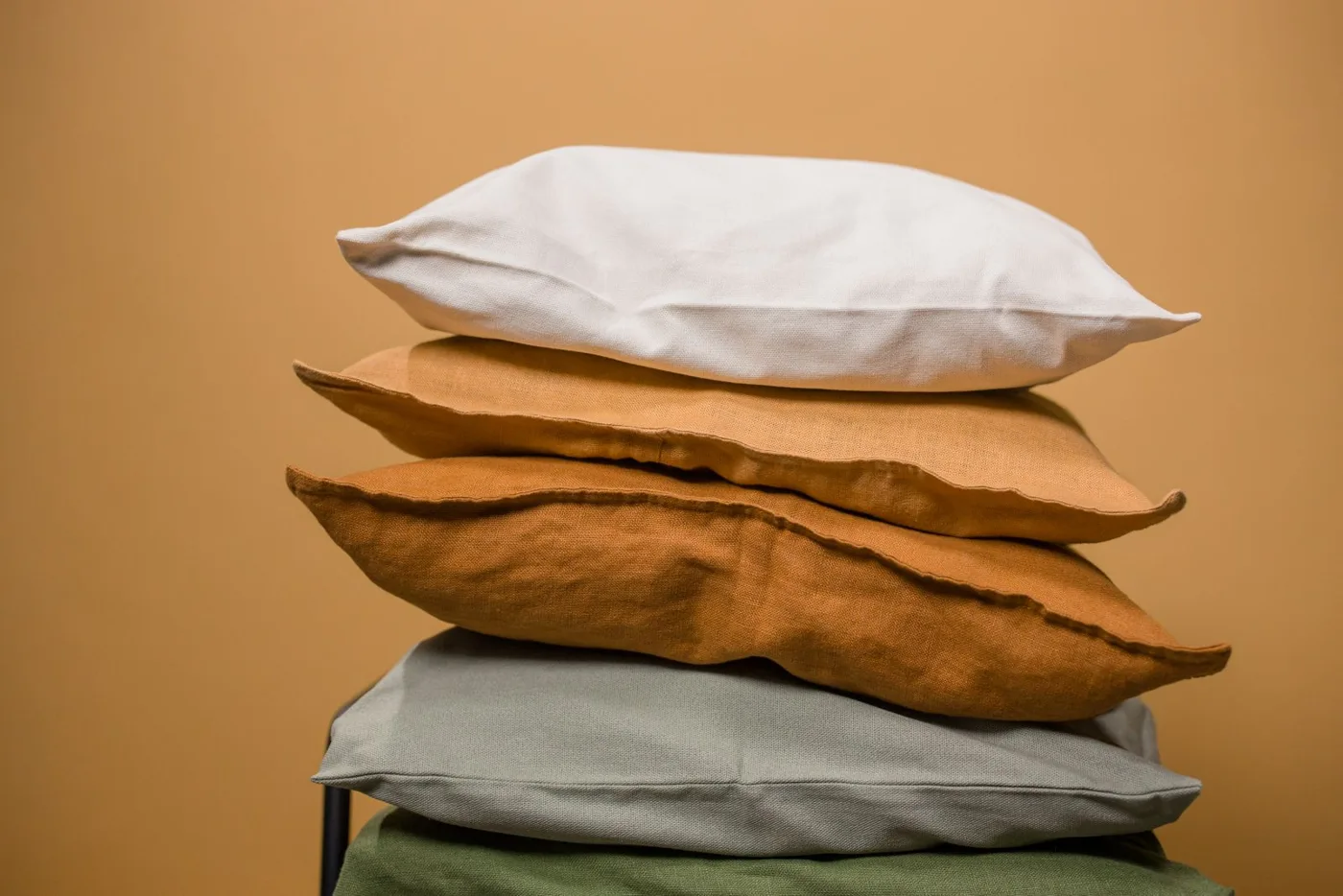
Soft furnishings need a dry storage environment, not just a protective cover. Cushions, rugs and upholstered pieces can conceal moisture in padding or backing even when the surface feels dry. Before putting them away, decide whether the proposed floor and room are suitable for materials that may remain untouched for several months.
Resolve the source of dampness first
Inspect the storage space for leaks, condensation and musty odors. If the floor is damp, moving belongings a few inches upward does not solve the underlying problem. Find and address the cause, and choose another location until the environment is suitable. Do not rely on a fragrance, small moisture absorber or tightly wrapped plastic to make an unsuitable room safe for fabric storage.
Check each item's care instructions and clean it using the appropriate method. Allow enough drying time throughout the material, including seams and padding. If an item has visible mold, persistent odor or contamination, obtain suitable cleaning or remediation advice instead of packing it with unaffected belongings. Avoid brushing or shaking suspect material around an occupied room.
Separate protection from compression
Use clean supports appropriate for the item's weight and shape to keep furnishings away from direct floor contact where suitable. Supports must be stable and should not create pressure points that damage the frame or upholstery. Do not improvise a tall platform from loose boxes or damaged materials. Leave access for inspection and cleaning around the stored pieces.
Choose a cover that suits the furnishing and storage conditions. A cover should protect against dust without trapping existing moisture; consult the manufacturer for sensitive materials. Avoid compressing cushions beneath heavy objects or placing sharp furniture feet against upholstery. Store rugs according to their construction and care guidance rather than assuming every rug tolerates the same folding or rolling method.
Check periodically and after any leak or change in room conditions. Look beneath supports and covers, not only at the visible top surface. If dampness returns, move affected items to a suitable dry space and investigate promptly. Keeping fabric off the floor is one precaution within a dry, inspectable storage plan, not a guarantee against moisture damage.