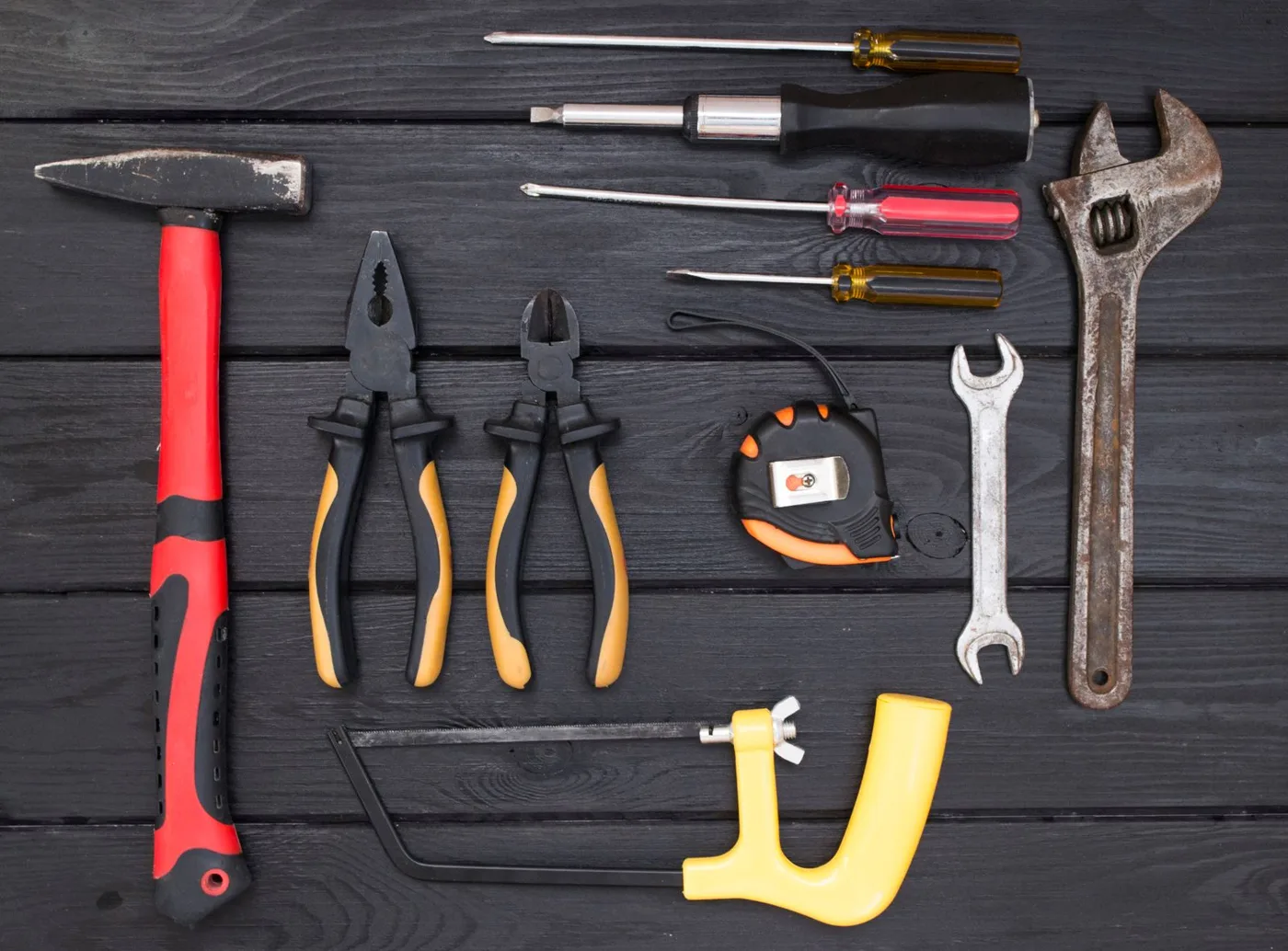
A loose cabinet handle is often a fastening issue, but tightening blindly can crush a door face or strip a small screw. Find out which part moves before reaching for a powered driver. A few controlled hand turns may solve a simple looseness; they cannot repair a cracked mounting hole or damaged thread.
Identify the movement, then tighten deliberately
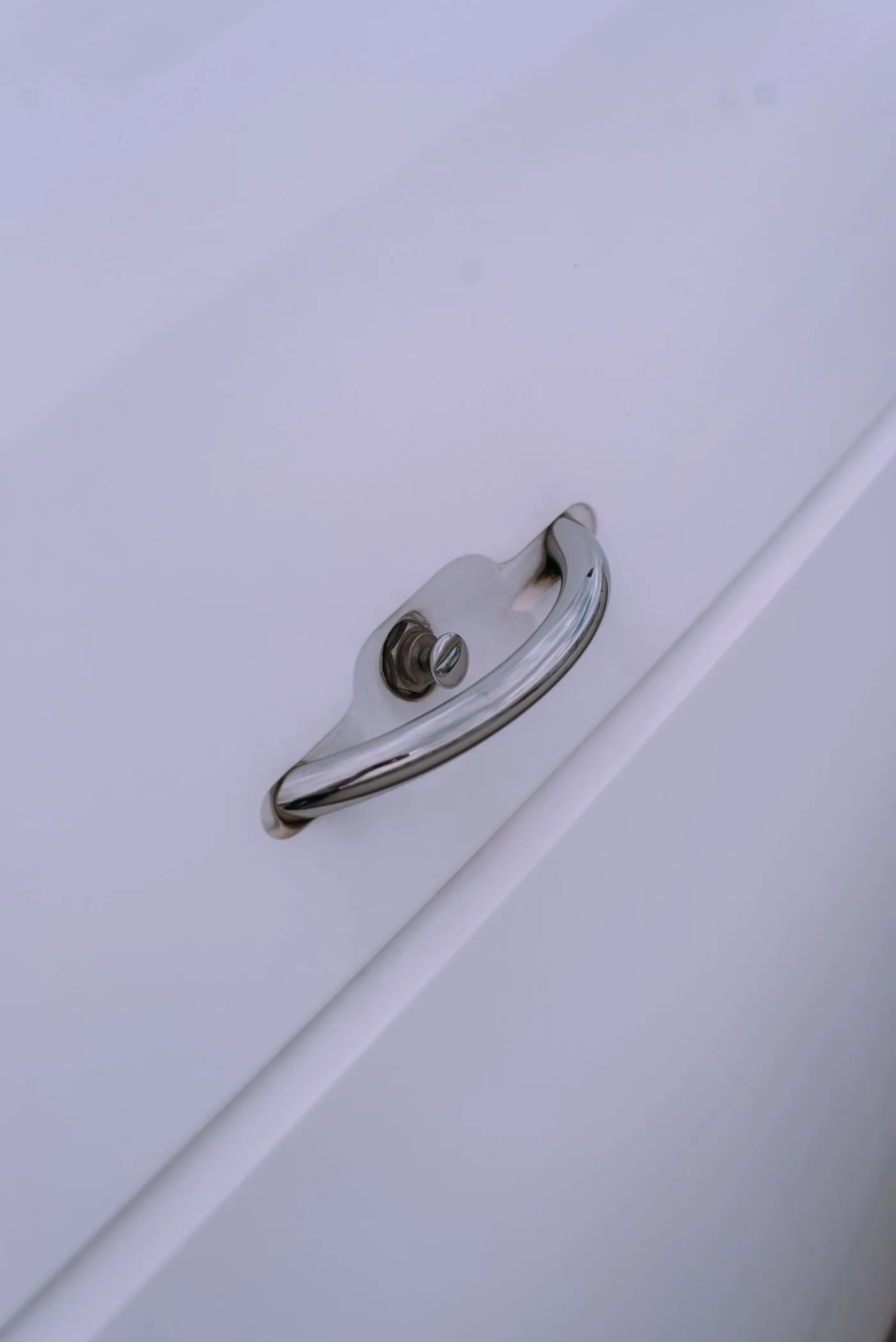
Open the cabinet and examine the screw heads on the inside. Hold the handle gently while checking whether it rocks against the front surface. If the entire door moves instead, the hinges or cabinet mounting may be the real issue. If one end of a two-post pull lifts while the other remains firm, concentrate on that fastening rather than tightening both aggressively.
Look for a washer, spacer or backing piece that belongs to the original assembly. Photograph it before removal if the arrangement is unfamiliar. On a drawer, the screw may pass through both a decorative front and the drawer box, so its length can differ from a matching cupboard handle nearby. Similar-looking hardware does not guarantee interchangeable screws.
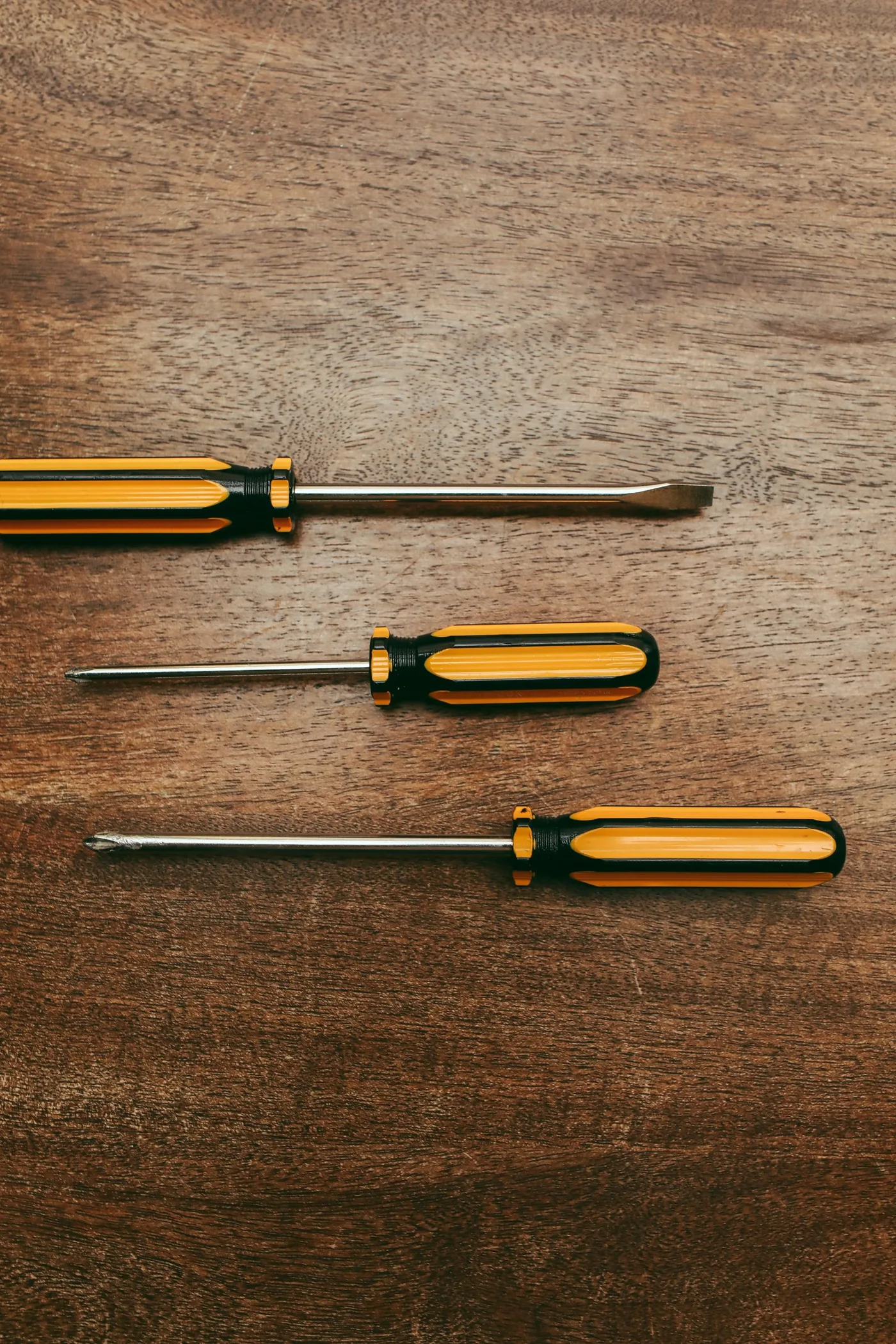
Use a screwdriver that fits the screw recess closely. Support the handle from the front so it cannot rotate and scrape the finish. Turn gradually until the handle sits securely, then stop. There is no benefit in continuing until the tool is difficult to turn; the door material and the small threaded hole may fail before you feel a clear warning.
If the screw turns without drawing the handle tight, remove it carefully and compare its condition with the correct replacement specification. A screw that is too long can bottom out inside the handle while leaving the handle loose. A screw that is too short may engage only a few threads. Adding random washers or forcing a different thread can conceal rather than resolve the mismatch.
Treat damaged material as a separate repair
Cracked wood, an enlarged hole or crumbling particleboard needs a material-appropriate repair plan. Do not try to clamp the damage flat with extra screw pressure. For a valuable finish or a repeatedly failing fitting, a cabinet repair specialist can assess whether the mounting point or handle should be replaced.
After a successful adjustment, open and close the door normally and check that the handle does not shift. Wipe away fingerprints using a finish-safe cloth, then keep the hardware model or screw details in the household notes. If it loosens again quickly, investigate the cause instead of making tightening part of a weekly routine.