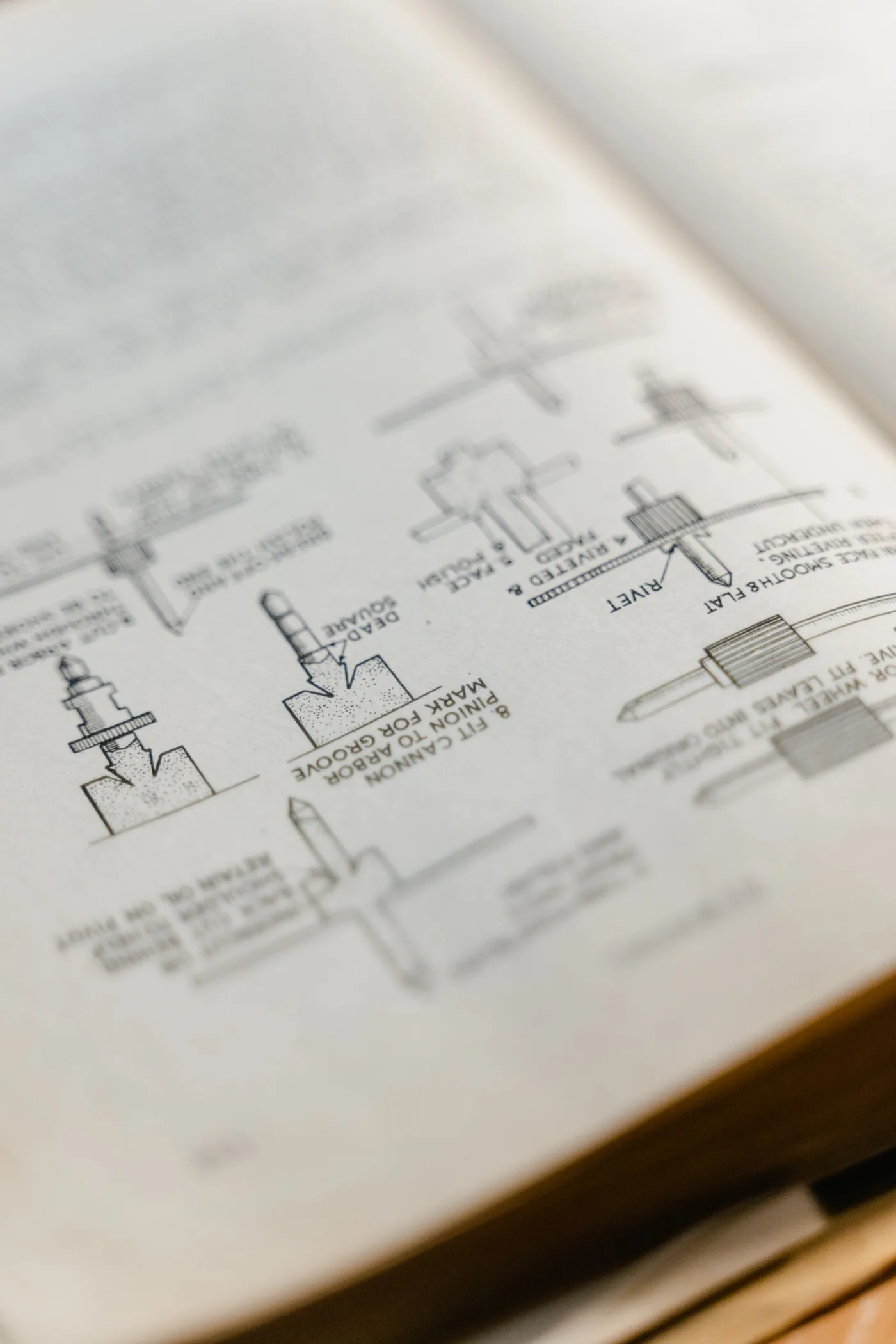
An appliance manual is most useful before a panel is removed or a cleaning product is applied. Finding the correct section can prevent a familiar-looking machine from being treated like a different model. Read for the task you intend to do, but check the warnings and model identification before following a diagram.
Confirm that the document belongs to the appliance
Find the model label using the manufacturer's guidance and record the full model number, including suffixes. A product-family name on the front may cover several designs. Use the official support site where possible rather than a manual-download page that asks you to install unrelated software.
Check the document cover and the models it lists. If the illustrations differ from the machine, do not assume the difference is cosmetic. Ask support to confirm the revision or the applicable instructions. Keep a downloaded copy so the same search is not repeated next time.
Some information is split between an owner's manual, installation guide and separate warranty document. Routine user maintenance should remain within the owner's instructions. An installation diagram does not automatically authorize a resident to alter a gas connection or electrical supply.
Read the preparation and the finish
Before starting, identify power-isolation, cooling, ventilation and access requirements. Then read through the final reassembly and restart steps. A process may look simple at the beginning but require a particular clip, drying period or replacement part before the appliance can be used again.
Note which parts are consumer-removable. Words such as filter, cover and tray do not mean the same thing on every model. If a component will not release as the instructions describe, stop rather than adding force or removing adjacent screws.
Check the approved cleaning materials and prohibited products. A household cleaner that works on an exterior panel may be unsuitable inside a self-cleaning oven or on a coated cooktop. Keep the relevant page open while gathering supplies.
Turn the instructions into a realistic job
Set aside enough uninterrupted time and a place to store removed parts in order. Take a photograph before disassembly that is explicitly permitted for the owner. Do not start a maintenance cycle when the household will need the appliance immediately afterward.
If the manual gives several options, choose the one that matches the installed equipment and available supplies. Do not merge steps from two methods into a faster hybrid. Manufacturer support is the right place to clarify ambiguous instructions.
When finished, record the date, product or part used and any problem that remained. Save important pages with the home-maintenance record, but keep the full manual accessible because a short checklist can omit warnings.
A manual cannot make an unsafe situation routine. Damaged wiring, a gas odor, a persistent fault or an unstable appliance requires appropriate service, not repeated resets while working through the cleaning chapter.