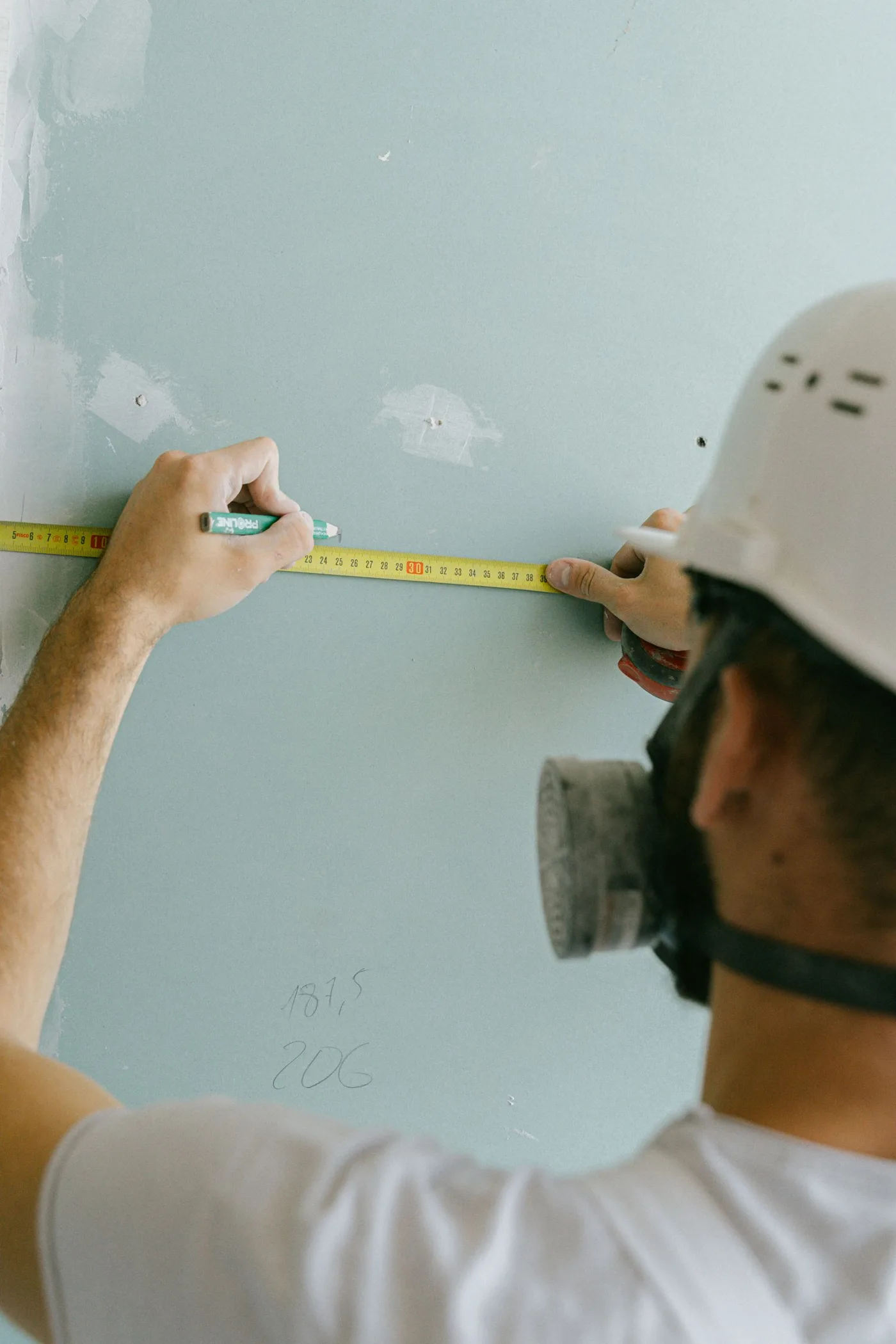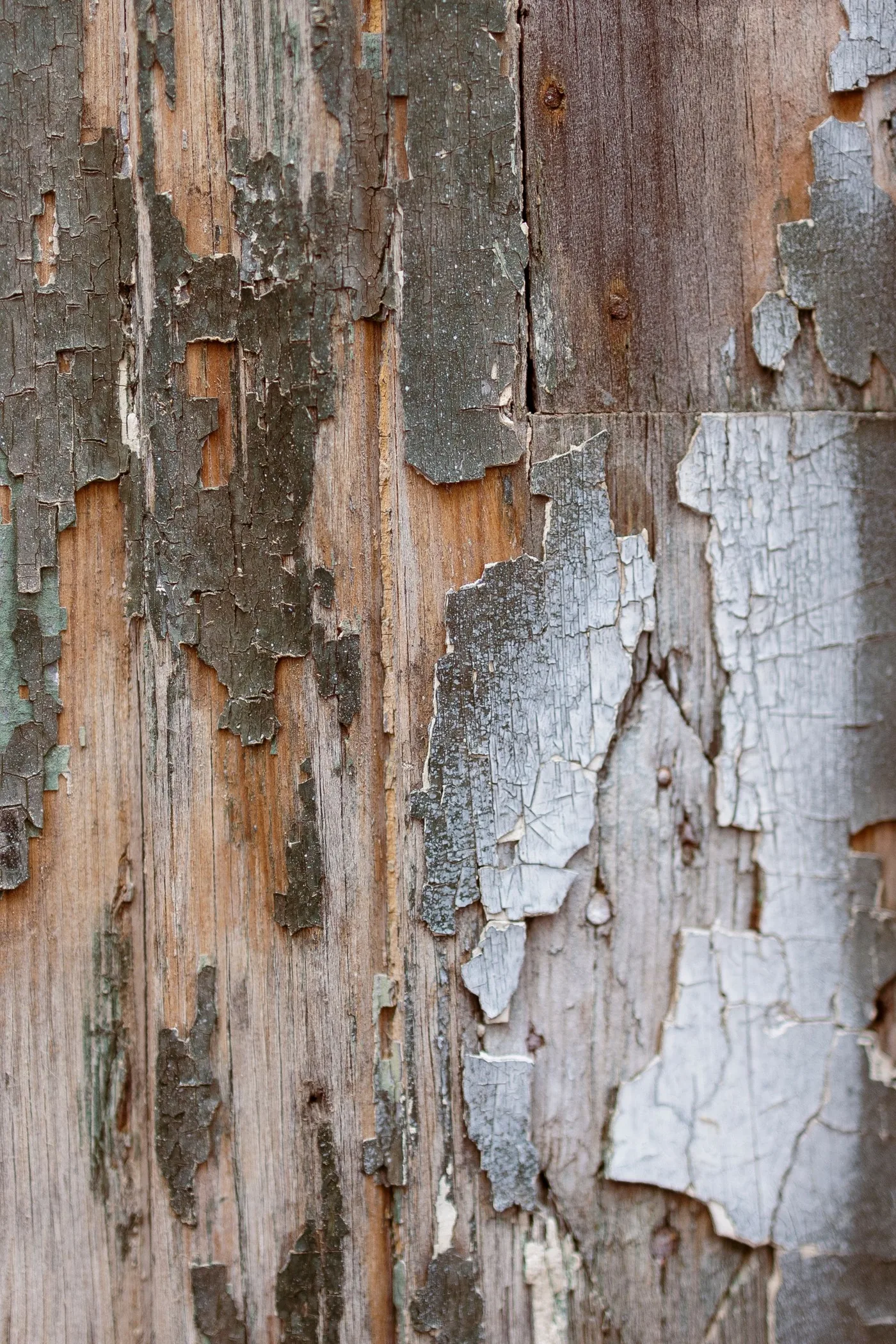
An old surface should not be sanded just because it looks tired. Abrasion turns a solid coating or building material into dust, and appearance alone cannot establish what that dust contains. When the history is uncertain, identifying the material comes before choosing sandpaper, a mask or a more powerful vacuum.
Age is a reason to investigate, not a test result
In the United States, paint in homes built before 1978 may contain lead. Some older building products can contain asbestos. Neither hazard can be ruled out by the color of paint, the texture of a ceiling or a photograph shared online. A previous owner saying that a room was repainted also does not establish what lies underneath the newer coating.
Look for reliable records, product identification and prior inspection reports. Describe the planned work to a qualified assessor so the investigation addresses the material you would actually disturb. A test of one room or one layer does not automatically describe every surface in the building. Avoid taking an improvised sample that creates the very dust you are trying to assess.
Do not turn a cosmetic question into a dust problem
Leave suspect material undisturbed while seeking advice. Do not sand a small hidden corner to see what happens, drill through it to check thickness or scrape it into a household trash bag. If material is already damaged, keep people away from the affected area and obtain appropriate guidance on assessment and cleanup.
EPA guidance recommends lead-safe certified contractors for renovation that could disturb lead paint, and trained asbestos professionals for suspect asbestos materials. The appropriate process depends on the material and the work. A generic dust mask, ordinary vacuum or open window is not evidence that an unknown surface can be worked safely.
Get a usable assessment
Ask for a clear explanation of what was examined, what the result means for the proposed project and which work methods or specialists are needed. Keep the written report. If a contractor suggests covering or leaving a material in place, ask how its condition will be monitored and what future work must avoid disturbing it.
Let the findings change the project
There may be a way to achieve the original goal without removing the old surface, but that choice should follow the assessment rather than conceal a known problem. For a rented home, notify the owner or manager before altering finishes. For a planned purchase or renovation, allow time for material questions before booking painters or ordering equipment. The safest schedule is one that does not make an uncertain surface somebody's rushed final step.