You do not need to climb a ladder to collect useful information about a gutter problem. From safe ground, the alignment of the gutter and the behavior of water can help you write a clearer request for cleaning or repair. The inspection stops where safe visibility ends.
Look once in dry conditions
Walk a clear route around the accessible sides of the house. Note sections that appear to sag, joints that have separated or vegetation visible above the edge. Use a camera zoom rather than standing on furniture or leaning from a window.
Keep away from overhead wires, damaged branches and unstable ground. Do not use a long metal pole near electrical lines. If a gutter is hanging loose or material could fall, stay out of the area and arrange appropriate help.
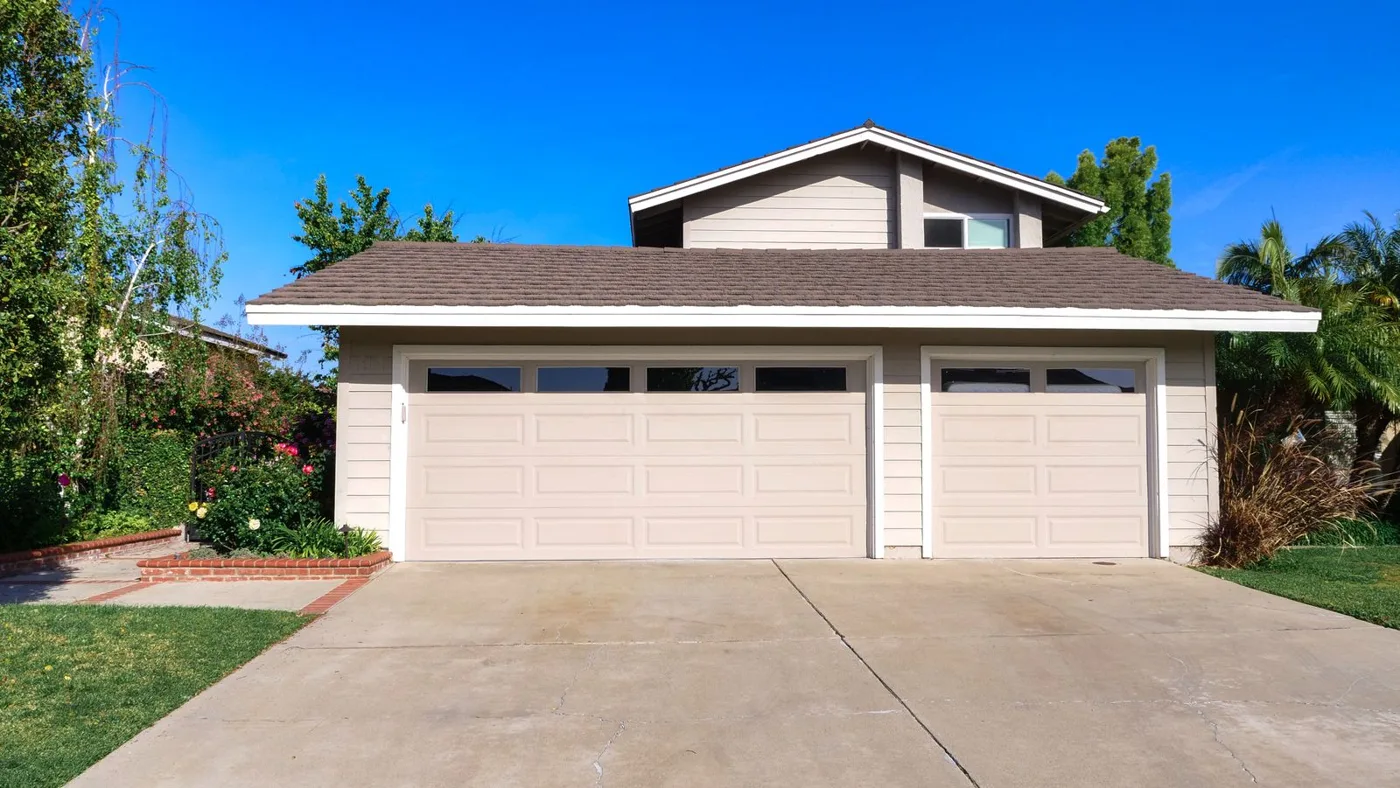
Photograph the whole elevation before taking a closer image. A close-up of one corner is difficult for a contractor to place without context. Label the side of the house and the approximate location.
Observe rain only when conditions are safe
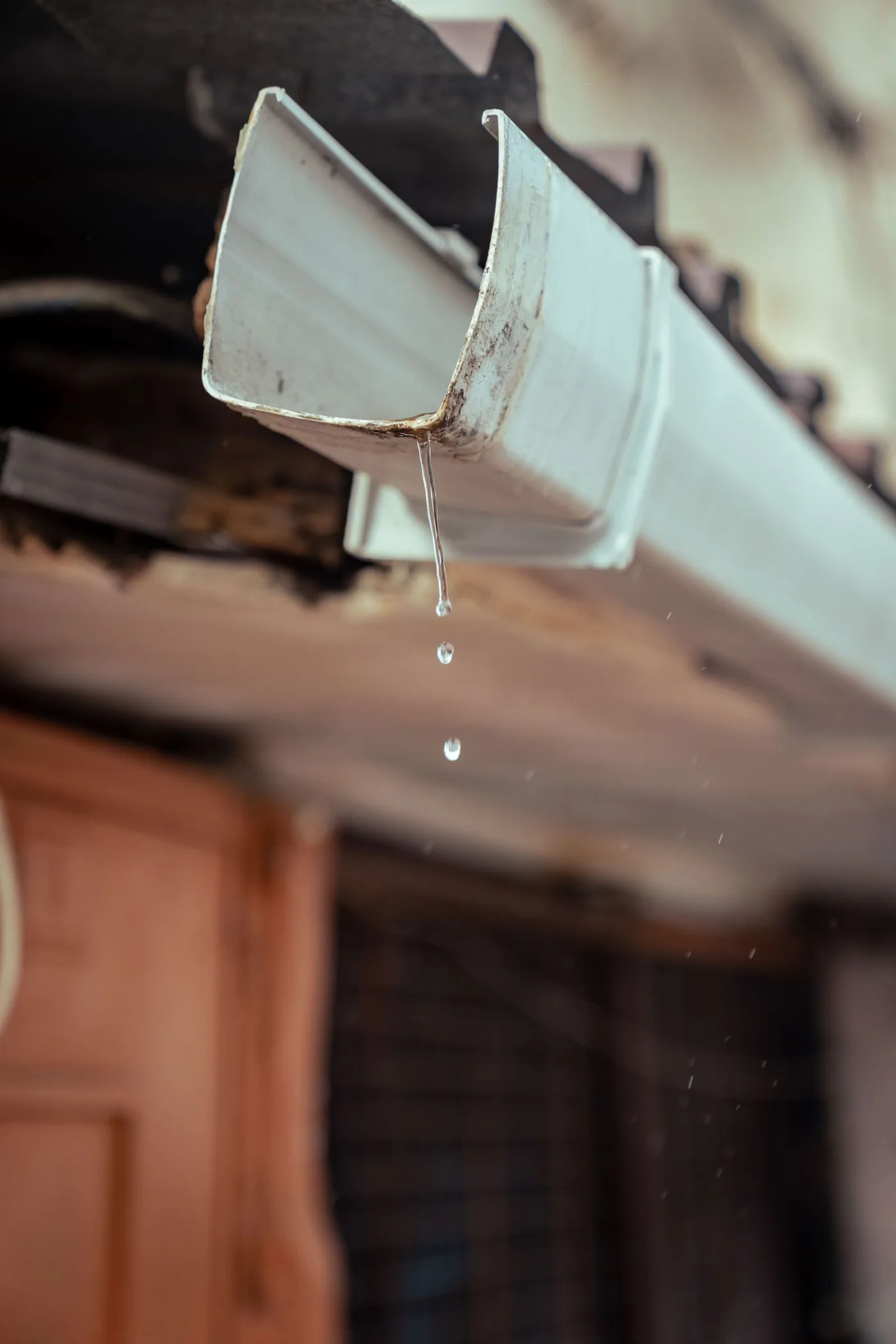
From a sheltered safe position, watch whether water spills over an edge, leaks at a joint or reaches the downspout outlet. Do not go outside during lightning, high winds or flooding to gather evidence.
Record the conditions and what you saw without diagnosing the cause. Overflow might involve debris, alignment, capacity or another issue. A dry inspection and a short safe rain observation together are more useful than stating that the gutter simply needs a bigger pipe.
Look at where water lands. Repeated splash near a wall or foundation is worth including in the report. EPA's moisture guidance identifies regular gutter care and directing water away from the building as part of moisture prevention.
Ask for a scope that includes findings
Tell the provider which sections are accessible and which symptoms prompted the call. Ask whether the visit covers cleaning only, inspection of joints and fixings, or a separate repair quotation. Do not assume that clearing leaves includes correcting a slope or replacing a damaged bracket.
Request photographs of inaccessible findings when appropriate, along with confirmation of what was cleared or repaired. A useful completion record shows the affected section and any issue left unresolved.
Keep ground-level planting and stored items out of the agreed access area, but let the provider plan their own safe working method. You do not need to supply an improvised ladder position.
After the job, compare the reported result with later safe observations. If overflow continues, share the new evidence rather than ordering the same clean repeatedly without discussing why it did not resolve the symptom.