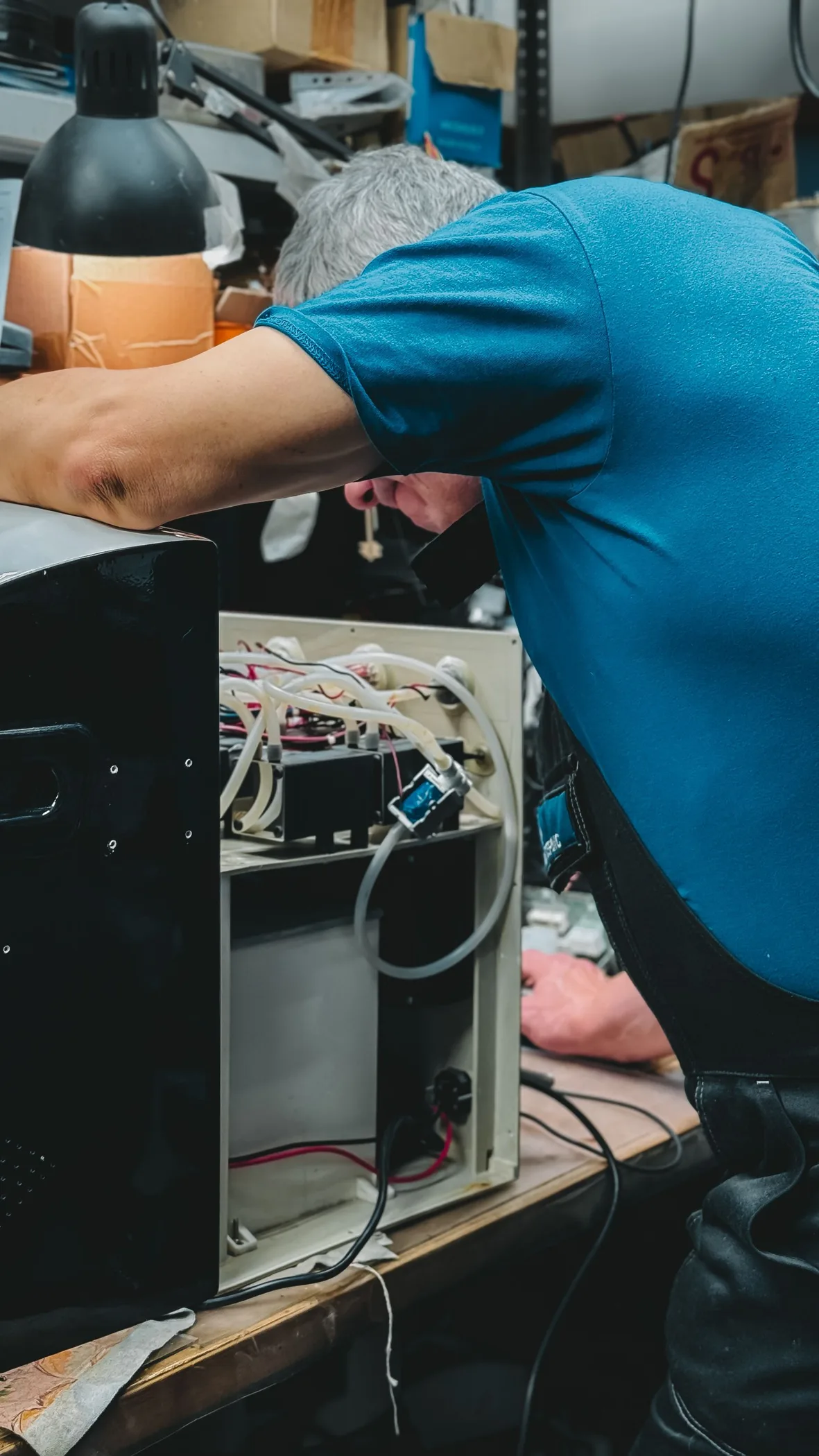
An appliance diagnostic visit may identify a fault without completing a repair that day. Parts, access, safety checks and the condition of the machine can all affect what happens next. Before booking, ask what the initial charge covers and what information the technician needs to make the visit useful.
Gather the identifying details
Find the make, model and accessible product label without moving a heavy appliance or opening a protective enclosure. Describe the symptoms in ordinary terms: the cycle stops at a particular stage, water appears underneath, or the display shows a code. Record the exact code and when it appears rather than translating it into a guessed component failure.
Share relevant previous work and whether the appliance is under a warranty or service plan. Check the plan's booking process before choosing a repairer, because authorization requirements differ. Do not assume an independent visit will be reimbursed. Stop using equipment that appears unsafe and follow the manufacturer or appropriate emergency service guidance for hazards such as suspected gas leaks or electrical danger.
Understand the initial visit
Ask whether the charge covers travel, a specified inspection period, diagnosis and a written finding. Clarify whether any part of that fee is credited toward a subsequent repair. If the technician cannot reproduce the problem, ask how the visit is charged and what further information might be useful. An intermittent fault does not always appear during a short appointment.
Discuss access in advance. Built-in appliances, stacked equipment and connections behind cabinets can require additional arrangements. Ask who is responsible for moving the unit or removing surrounding fittings. Do not disconnect gas, electrical or plumbing connections merely to make the appointment quicker unless that is a permitted user task and you can follow the relevant instructions safely.
Separate diagnosis from repair approval
Request an explanation of the finding, the proposed work, parts availability and the total repair basis before authorizing additional work. Ask whether further faults could become apparent only after the first repair and how those decisions will be handled. A diagnosis should be understandable even if you do not know the internal component names.
Compare the proposed repair with the appliance's overall condition and your needs, without relying on a universal age rule. Confirm any repair warranty or return-visit terms in writing. If you choose not to proceed, ask how the appliance should be left and whether it remains safe to use; do not infer safety from the fact that it still powers on.
Keep the result
Save the invoice, diagnosis, installed part details and any aftercare instructions with the model information. If symptoms recur, this record helps the next conversation start with what actually happened rather than another uncertain description. The appointment is valuable when its scope, findings and next decision are clear, even if a separate repair visit is necessary.