Good inquiry photographs show where a problem is, what it looks like and how it relates to the surrounding area. A single extreme close-up often omits the detail a repair provider needs most. Prepare a small, orderly set of images and measurements without dismantling anything or putting yourself in an unsafe position.
Take three useful views
Begin with a wide view showing the object in its room or setting. Add a middle view that identifies the affected section, then a close view of the visible issue. Keep lighting even and avoid filters that alter color or conceal detail. Photograph an accessible model label if relevant, checking that serial numbers or personal information are shared only with the intended provider.
Do not climb onto unstable furniture, reach into equipment or remove protective covers to get a better photograph. A provider can explain what additional information is safe to gather. If the situation involves a suspected gas leak, exposed electrical danger or another immediate hazard, follow the appropriate emergency guidance instead of continuing the photo session.
Measure the dimensions that affect the visit
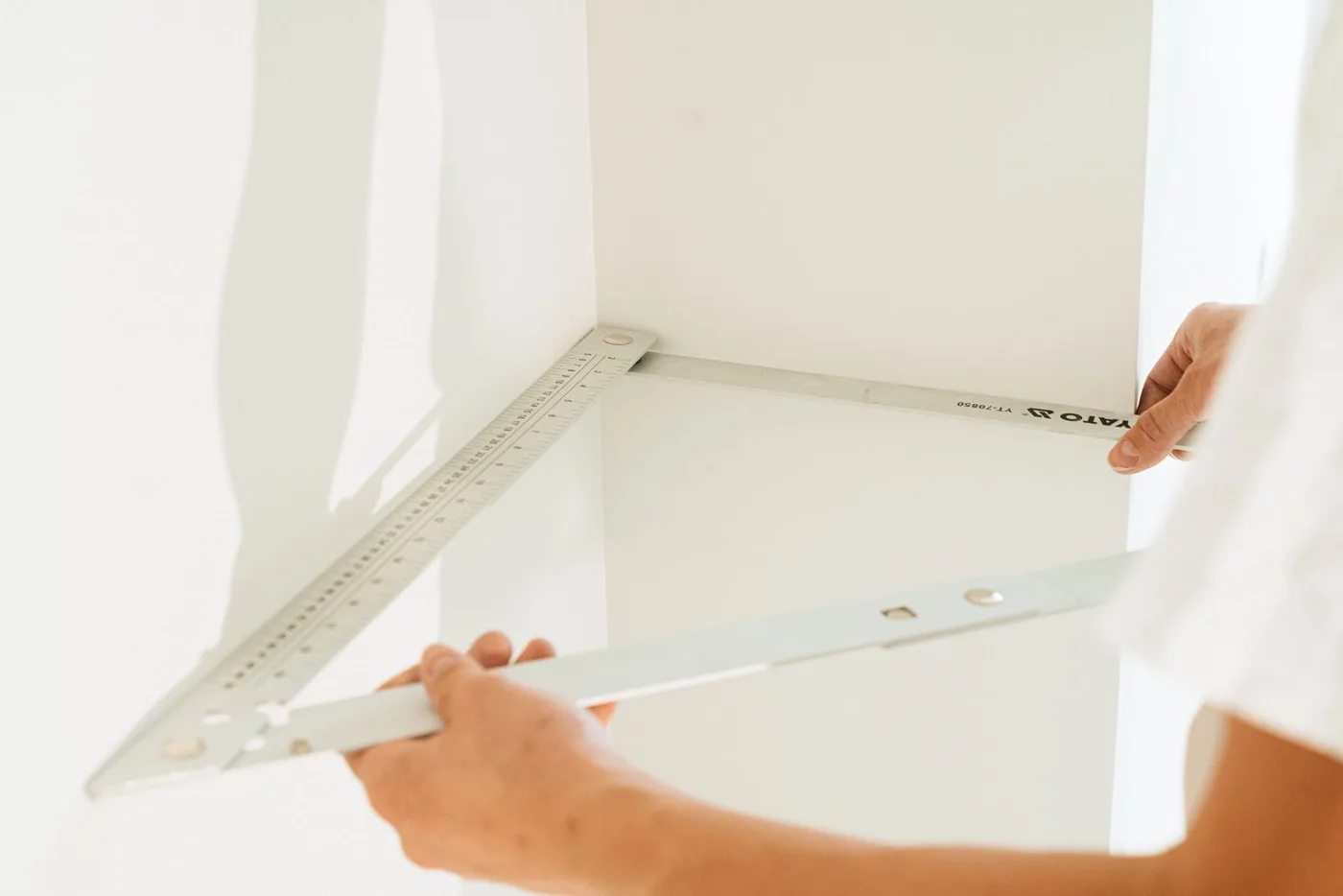
Record the item's overall width, height and depth where safe, using a consistent unit. Note exactly what each measurement refers to; a door opening and the door leaf are not the same dimension. Include access widths or clearances if a large component may need to be moved, but do not guess at hidden measurements.
A scale reference in a photo can help, provided it is placed safely and does not touch a dangerous or delicate surface. Send the written measurement as well, because perspective can distort an image. State when a measurement is approximate. Precision that was not actually achieved is less useful than an honest range.
Add a short factual note
Explain the symptom, its location, when it was first noticed and any previous work or products applied. Keep observations separate from theories: water appears after rain is more informative than a confident diagnosis of a failed seal when no inspection has occurred. Mention access limits and preferred appointment windows separately from the technical description.
Remove unnecessary personal details from the images and send them through the provider's agreed channel. Keep a copy of the inquiry so later changes can be compared. Photographs can help scope a visit, but they do not replace an on-site assessment where the cause, safety or hidden condition remains uncertain.