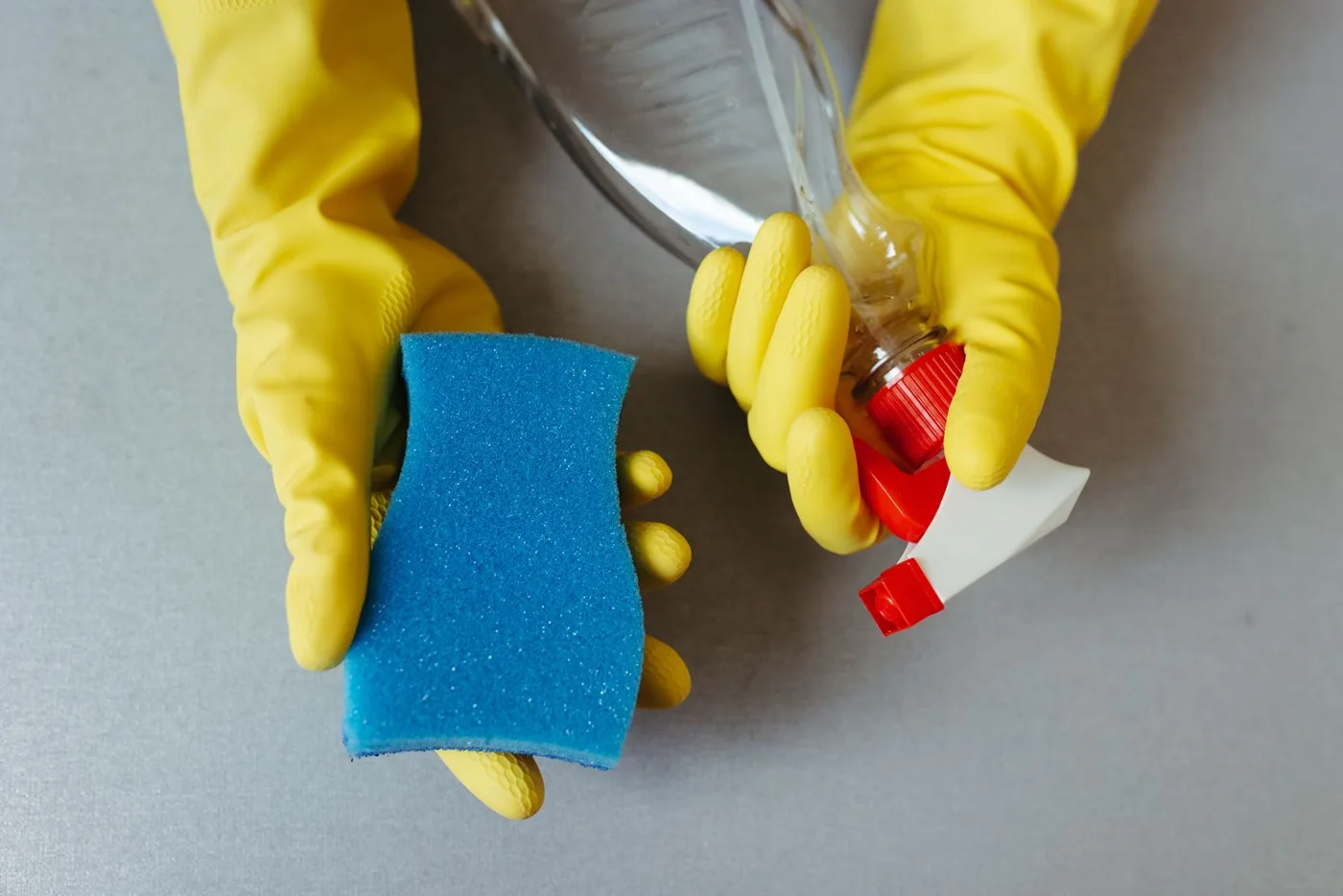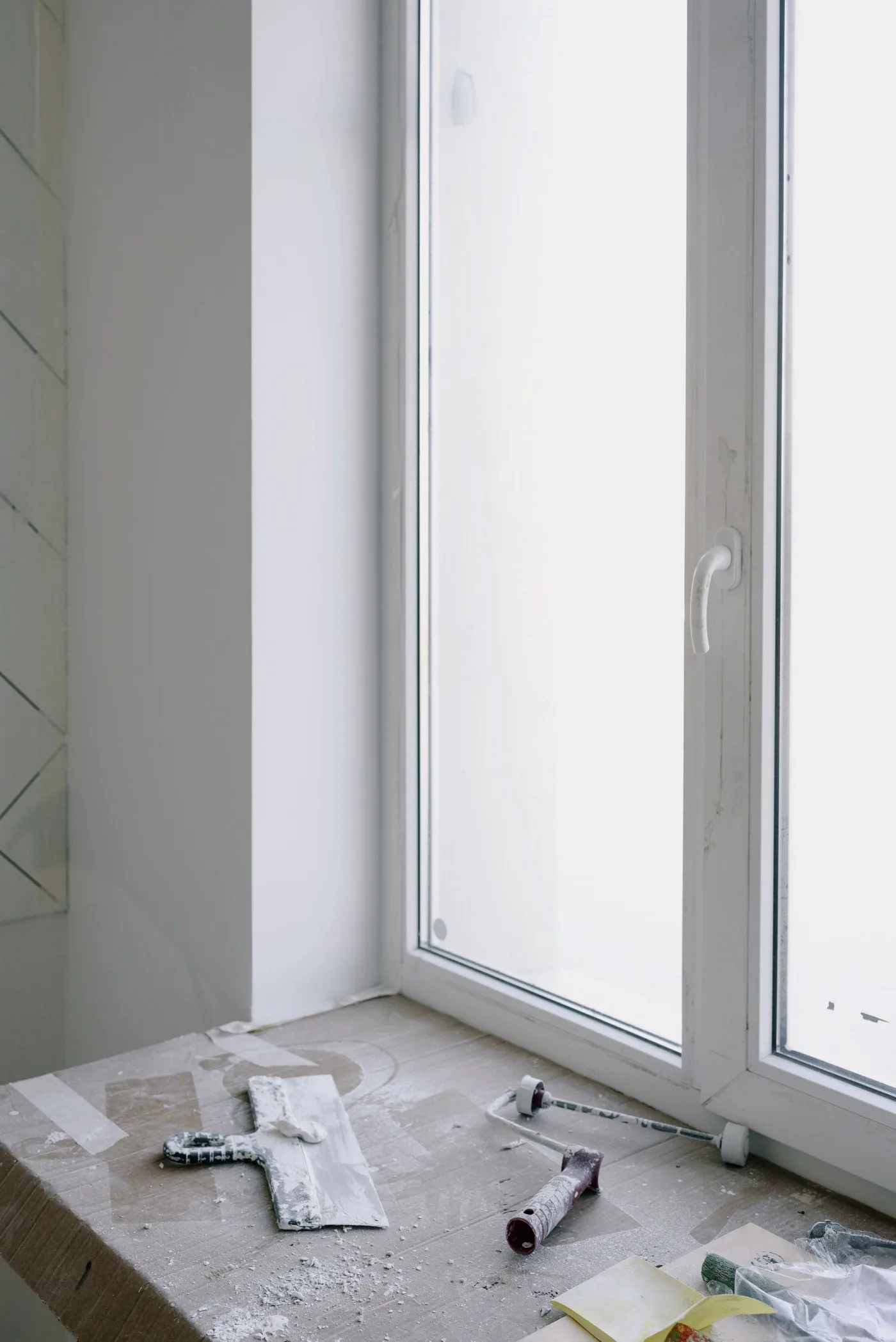
Dust planning belongs in the quote discussion, especially when a task involves cutting, sanding or opening part of a room. A sheet over the nearest chair may protect against a few splashes but does not define containment, cleanup or when the space can be occupied again. Ask the provider to explain how the proposed work affects adjacent rooms before it starts.
Identify the material and the process
Describe the building area and any known material information, but do not guess that an old coating or panel is harmless. Suspected lead paint, asbestos-containing material or other hazardous contamination needs appropriate assessment and qualified handling. Do not disturb it to collect a better photograph or begin a test without suitable guidance.
Ask which operations create dust and whether they will happen inside or outside. The provider should choose controls appropriate to the actual material and task. A household vacuum or ordinary face covering should not be treated as a universal solution. If the risk is unclear, resolve it before approving work rather than planning to clean more thoroughly afterward.
Agree on the boundary
Decide which rooms are part of the work zone and how people will move around it. Discuss protection of floors, furniture and items that cannot be relocated. Keep exits clear and consider doors, stairs and shared building areas. Do not block ventilation or safety equipment with an improvised barrier.
Ask how tools, debris and waste will move out of the property. A protected room can still spread dirt through an unplanned carrying route. Identify a lawful waste arrangement and a place for temporary storage that is secure and does not obstruct access. Hazardous waste requires the appropriate procedure, not ordinary household disposal.
Define cleanup and handover
Record whether the service includes removal of visible debris, surface cleaning and any specialist clearance required for the work. These are different promises. Ask what the household must do before the visit and what will remain afterward. Avoid a vague broom-clean description if you need to understand exactly which areas will be ready for use.
Confirm the conditions for re-entry and replacement of belongings. Drying, curing or specialist safety requirements may extend beyond the moment the tools are packed. Follow the instructions relevant to the actual materials and process; do not use a generic timetable from another project.
Review when the plan changes
If opening a surface reveals unexpected material or damage, pause and obtain a revised assessment and scope. An earlier dust plan may no longer be suitable. Keep the change and agreed controls in writing where practical. The aim is not to make every small job complicated, but to ensure the work method, household access and final cleanup describe the same job.