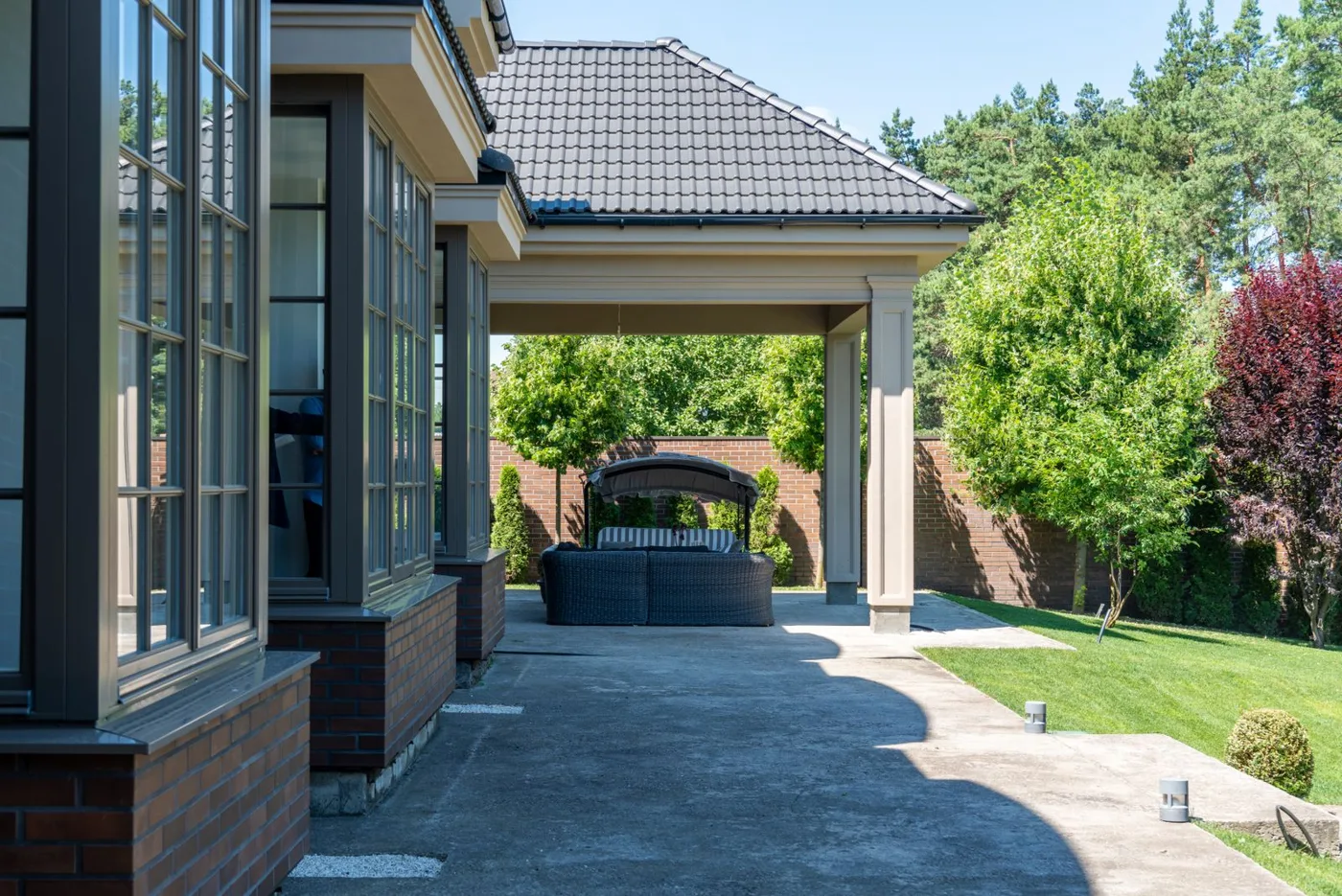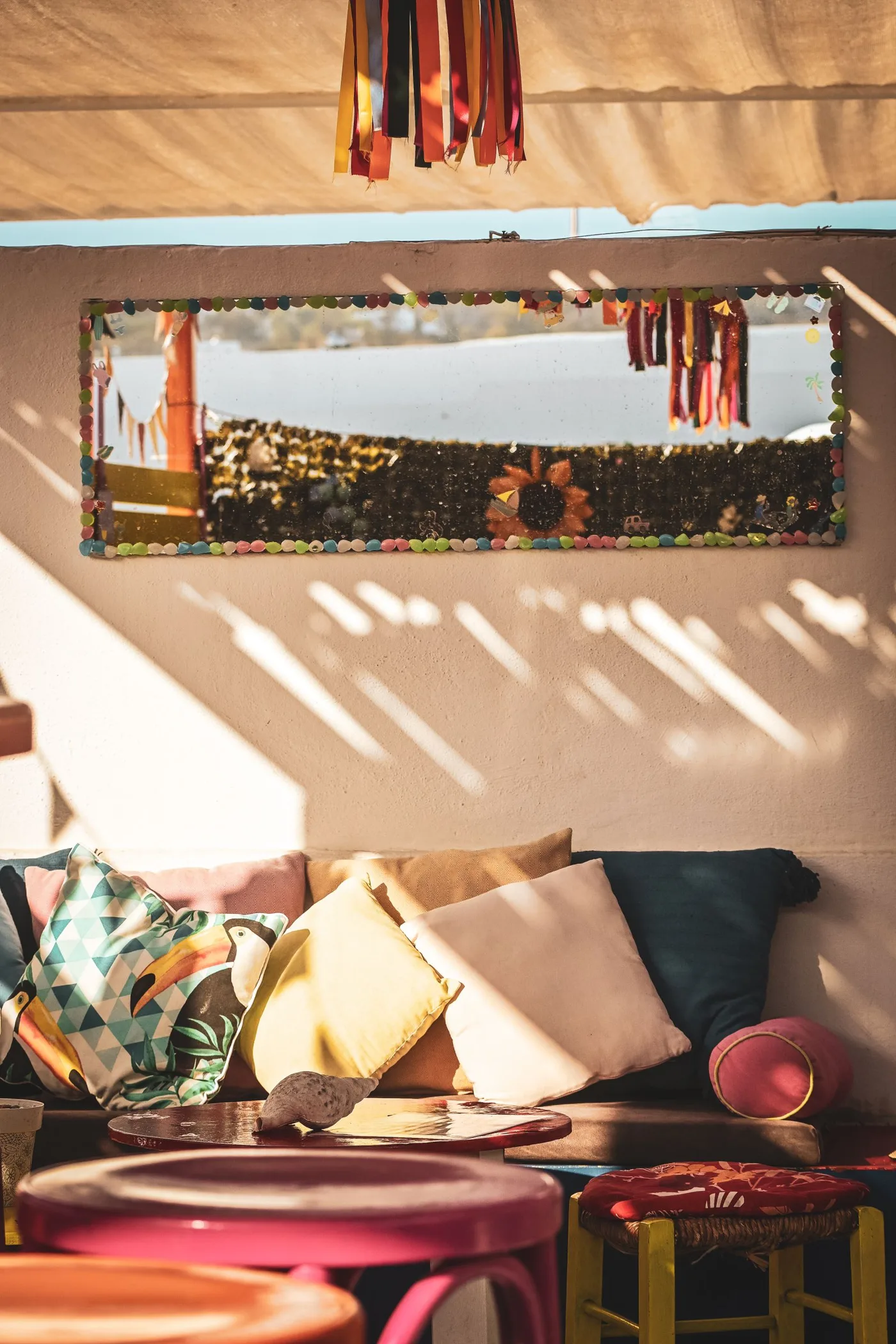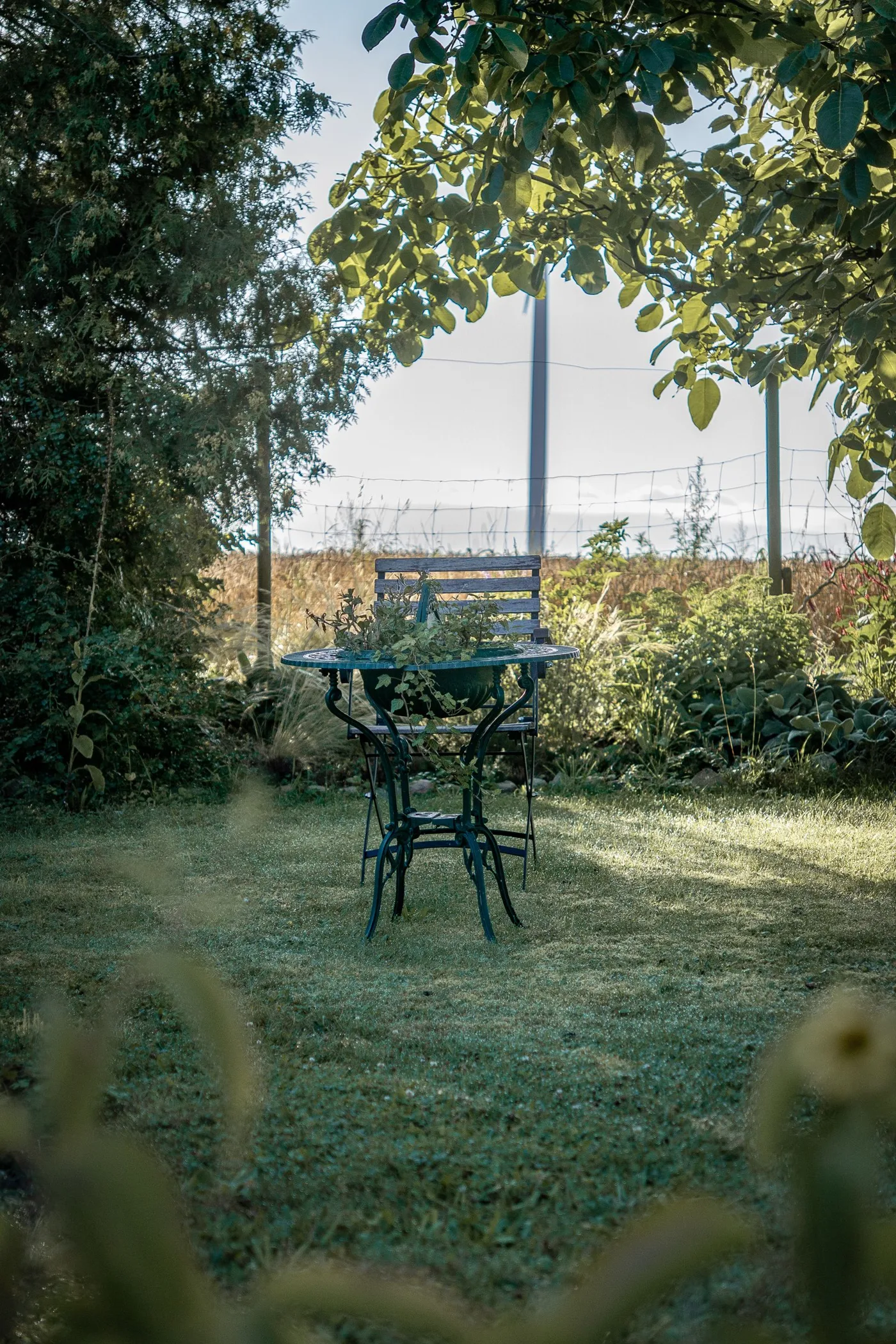
Metal garden furniture often fails first where water collects: inside a damaged tube, around a joint or beneath a foot resting in a puddle. The metal and its coating determine the care method, but improving the storage and contact conditions is useful before considering any cosmetic touch-up.
Inspect the places that stay wet
Move lightweight furniture safely to inspect the underside, getting help for heavy tables. Look at feet, welds, fasteners and places where cushions conceal the frame. Note coating damage, corrosion, loose joints or a missing end cap. Do not assume that every hole should be sealed; some openings are intentional drainage or ventilation features.
Identify the material and finish from the product information. Painted steel, powder-coated aluminum and other constructions need different repair products. Rust-colored staining does not by itself tell you which part is corroding. If a joint is cracked, a tube is badly weakened or a chair feels unstable, stop using it and seek the maker's advice rather than hiding the area with paint.
Check the ground as well as the furniture. A low point in the patio, a continuously overflowing pot or a cover that funnels water onto one leg can create a recurring problem. Relocate the furniture to a stable, draining position without blocking an access route. Avoid improvised spacers that make the piece rock or concentrate weight on a fragile surface.
Keep cleaning and repairs compatible
Use the maker's approved cleaning method and a soft tool that will not scratch the coating. Rinse and dry as directed, paying attention to joints where water remains. Do not use abrasive pads or a strong acid cleaner simply to remove a stain faster. The protective finish may be more vulnerable than the dirt on top of it.
For a small coating defect, obtain the specified touch-up system and preparation instructions. Larger corrosion, unknown old coatings or damage near a structural connection should be assessed professionally. A matching color is not evidence that the repair restores strength. Keep replacement caps, glides or fasteners specific to the furniture instead of substituting parts that trap water.
Before covering or storing the set, let it dry and follow the cover's ventilation requirements. Inspect it periodically rather than leaving it wrapped until spring. A quick check after heavy rain can reveal a sagging cover or a new puddle while the remedy is still simply changing the arrangement.