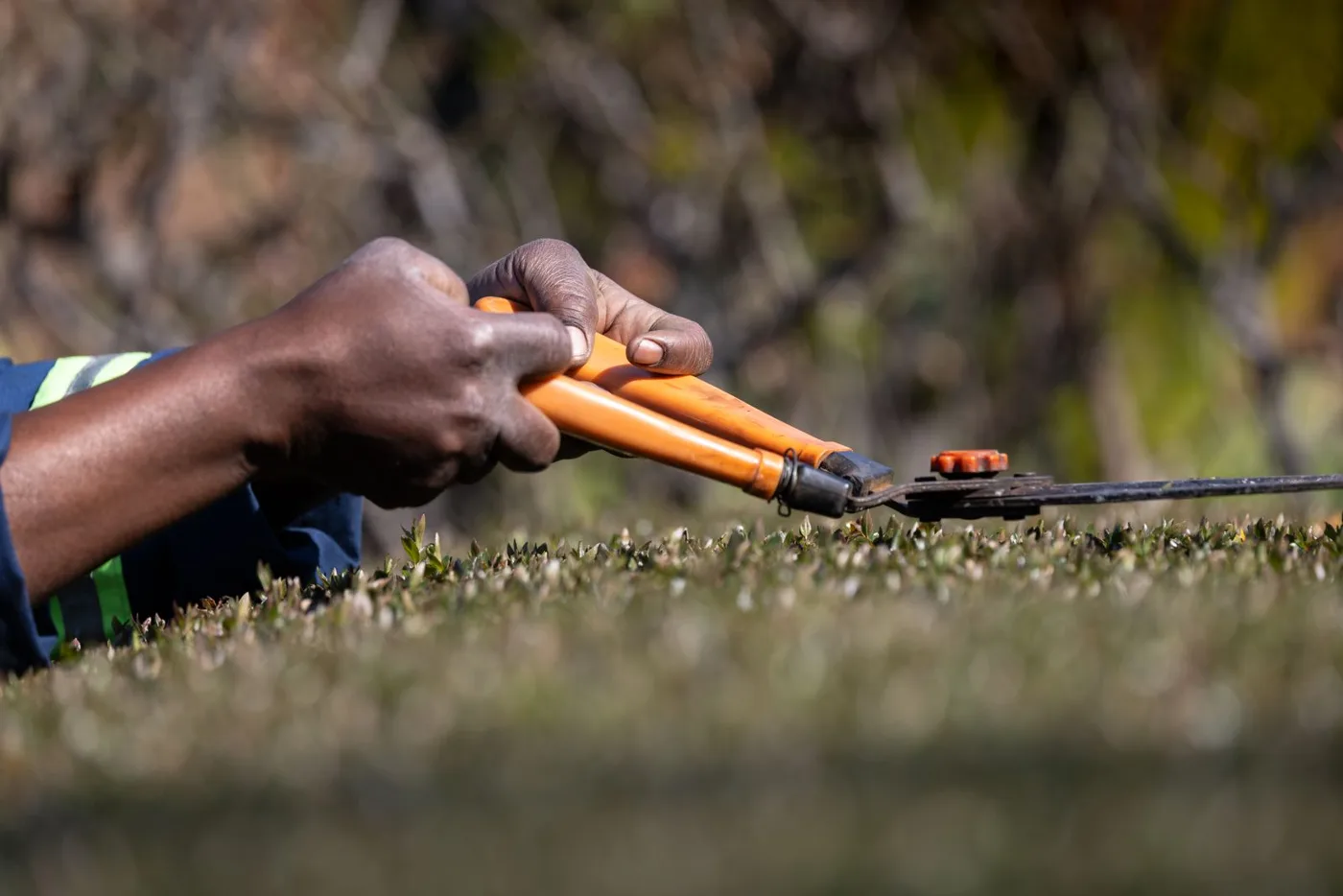
Keep the garden tidy sounds straightforward until two people interpret it differently. One may mean mowing and clearing paths; another may include pruning, weeding and taking all green waste away. Define the recurring tasks and the boundaries before arranging garden maintenance, especially where valuable plants, wildlife or neighboring property are involved.
Map the areas that are included
Describe lawns, beds, containers, hedges and hard surfaces separately. Mark any plants that should not be cut and provide identification where known. Do not ask someone to prune an unidentified plant to a standard shape without considering its growth and flowering requirements. If plant health or structural tree work is involved, seek a provider with the appropriate expertise.
Explain access, slopes, water availability and obstacles such as irrigation lines or garden lighting. Mention pets and areas that need to remain closed. Identify property boundaries without assuming a service provider can settle a disagreement about them. Work affecting neighboring land or shared features needs the relevant permission and a clear arrangement.
Specify the result and the waste plan
Agree on the tasks for a normal visit, the frequency and how seasonal work will be discussed. Lawn cutting, leaf collection and hedge work may require different timing. Ask how weather affects scheduling and whether skipped tasks are rescheduled, substituted or charged differently. Avoid a fixed instruction that encourages work when ground or plant conditions make it unsuitable.
Clarify whether clippings and other waste stay on site, are composted in an agreed area or are removed through an appropriate route. Keep soil, plant debris, old timber and chemical containers distinct where disposal requirements differ. Do not assume every vehicle or service is equipped to remove every type of waste.
Before the first visit, identify any proposed chemicals or treatments and discuss their suitability, instructions and access restrictions. A routine maintenance agreement should not silently authorize pesticide application. Follow applicable rules and obtain appropriately qualified help where required. Keep children and pets away according to the product and provider's instructions.
Review the arrangement as the garden changes
Ask for a written scope and a method for approving extra work. Take a few reference photographs if useful, without presenting a seasonal garden as something that must look identical all year. Review the plan after the first visits and when planting or household needs change.
A narrow, understandable brief leaves room for informed professional judgment while preventing an open-ended list from growing unnoticed. It also makes it easier to recognize when a proposed task belongs in a separate specialist appointment.